 |
The Omkareswar Jyotir Lingam
Temple,
Madhya Pradesh
|
|
|
"The hidden gem
of Madhya Pradesh"
|
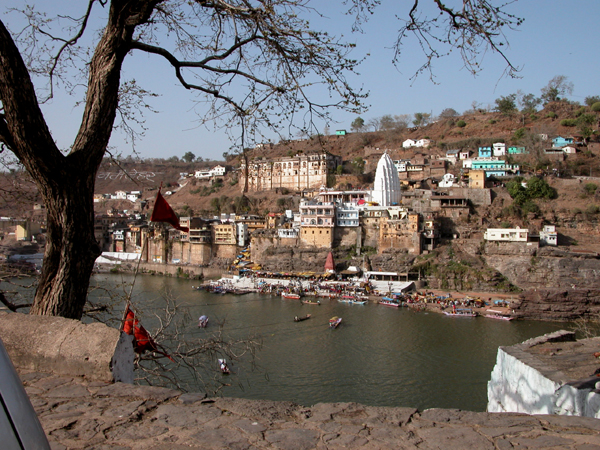 |
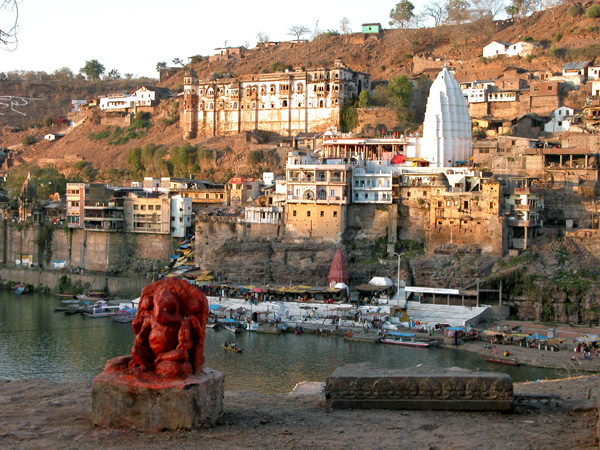
| The Omkareswara Temple is situated on the Island of Mandhata at the banks of Narmada River. This area is one of Indias most enchanting pilgrimage places. The river Narmada branches into two and form the island Mandhata, known in ancient times as Shivpuri. The River Krishna joins Narmada and the confluence or Sangama is considered a very holy place. Seen from above the island is shaped like the OM symbol. |
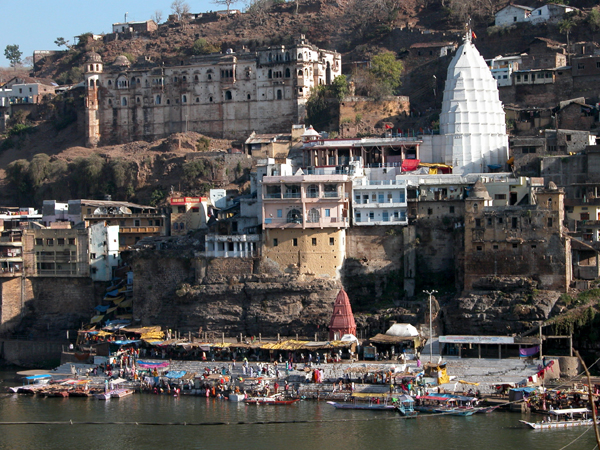 Like a mini Varanasi |
|
The island is dominated by the white
Sikhara of the Sri Omkar Mandhata ("Bestover of desires"), the
Omkareswara Temple. This temple holds one of the 12 sacred Jyotir Shiva
Lingams (natural rock lingams which is said to have miracously emerged
from light).
The Omkar Island is 2km long and 1km wide, with jagged cliffs on its southern and eastern sides. It is adorned with temples, sadhu's caves and bathing ghatts and the air is filled with chanting from the temples. |
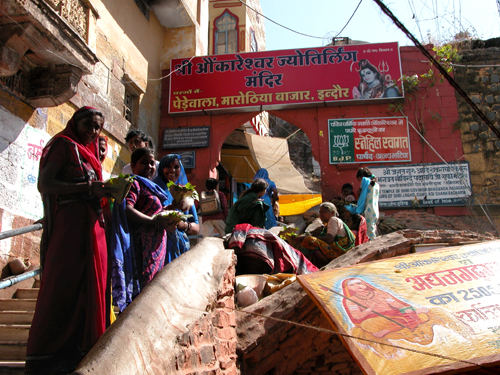 Stair leading to the Omkareswara Temple area |
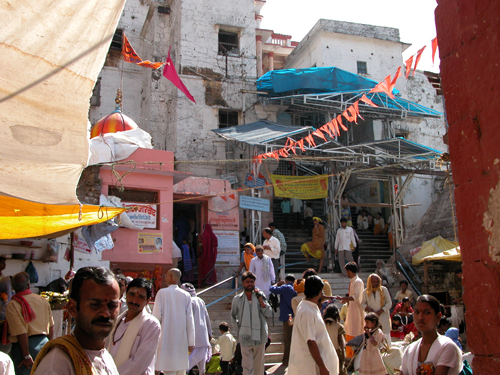 Main entrance |
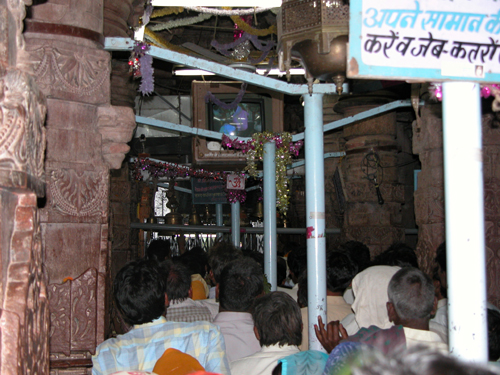 Entrance to the Omkareswara Jyotir Linga Shrine. A TV screen is showing the offerings to the Linga. |
|
Inside the Omkareswara Temple
|
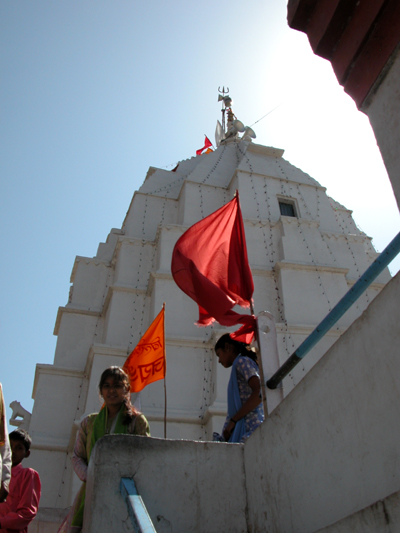 The temple top seen from the narrow streets |
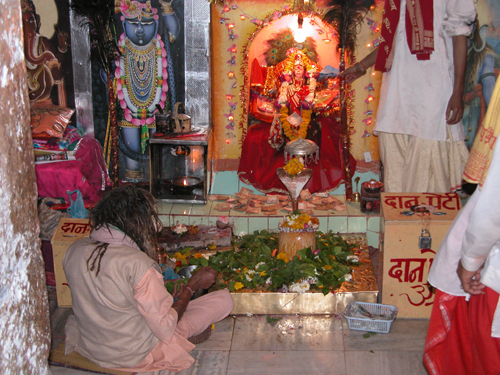 Sadhu performing Puja to another Shiva Lingam |
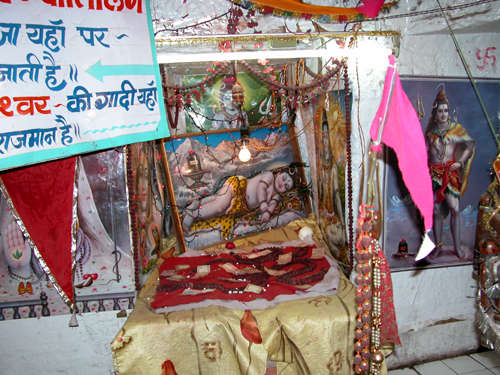 Bala Shiva Shrine 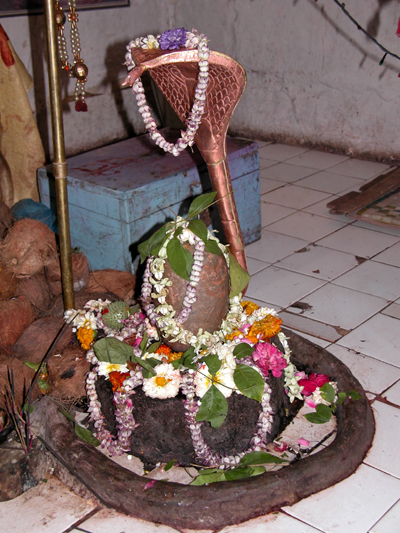 Shiva Lingam with Cobra ornament 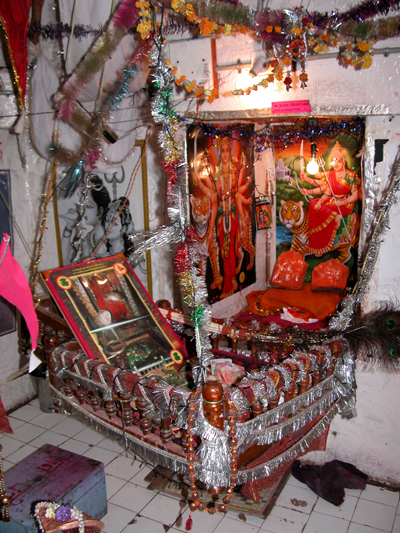 Cradle 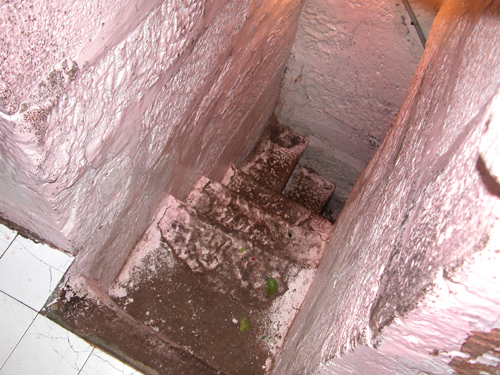 Narrow steps inside the temple top 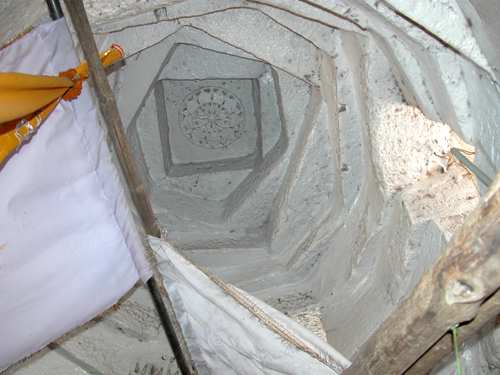 The temple top seen from inside |
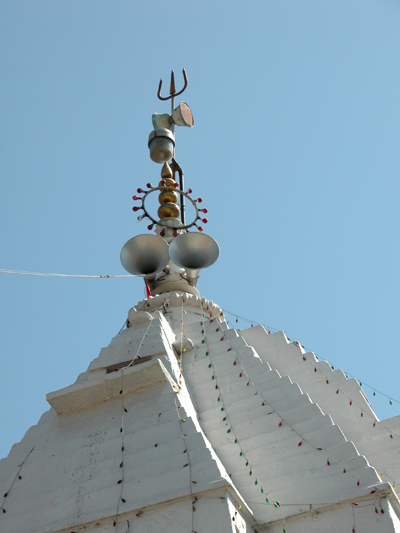 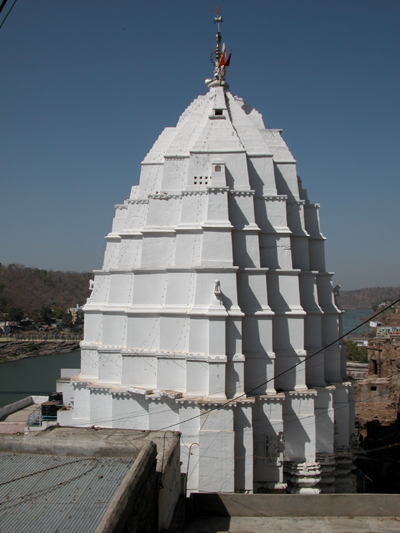 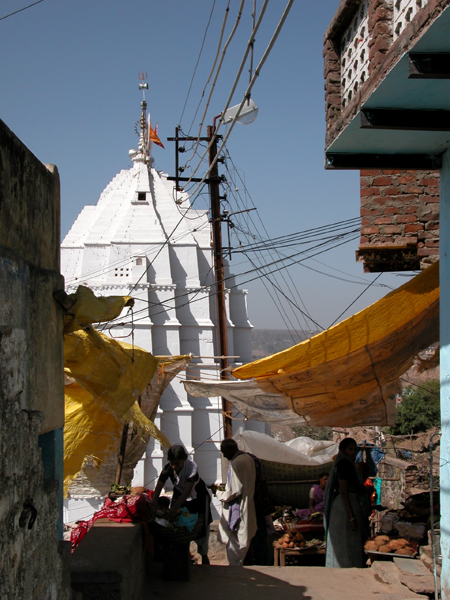 Puja materials for sale before entering the temple |
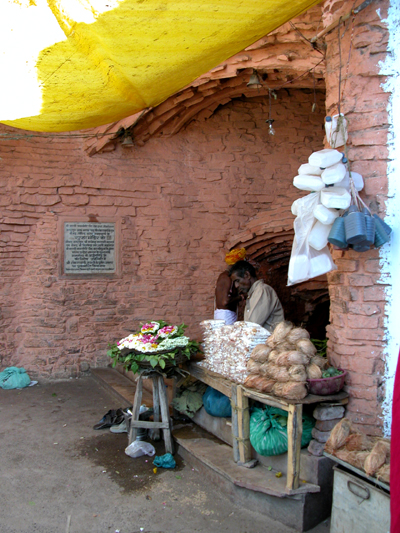 Entrance to the highly revered Sri Adi Shankara's Cave, which he used for prayer. |
|
Sri Adi Shankaracharya is considered an incarnation of
Lord Shiva, a great realized soul and the greatest reformer of India. He
preached the Advita (non-dualistic) philosophy of Vedanta, to
reestablish the authority of the Veda's and wrote the Brahmasutra.
|
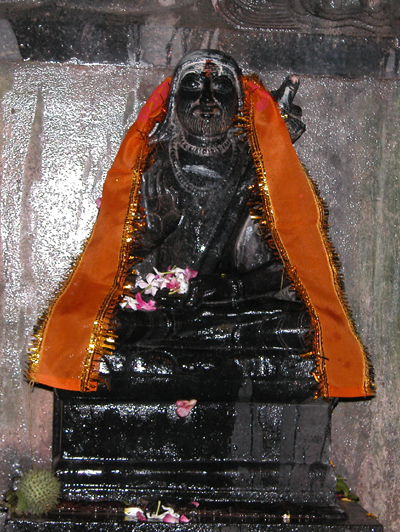 The idol inside the cave, a depicting of Sri Adi Shankaracharya (788-820AD), the religious reformer of India. |
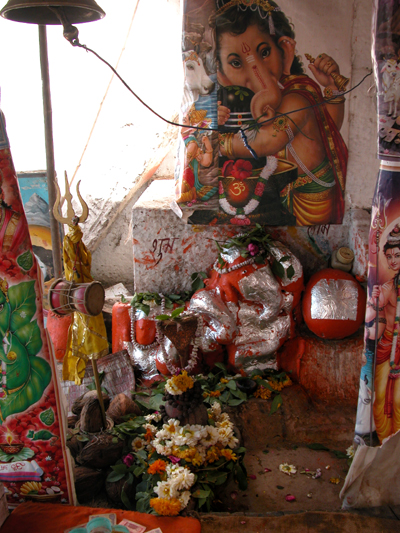 Ganapati Shrine on the way to the Jyotir Lingam Shrine |
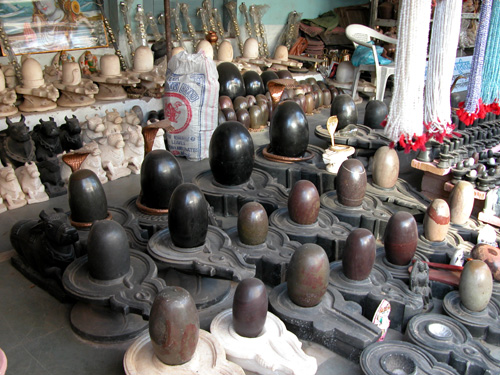 The sacred Shiva Lingas from Narmada River are sold in great numbers at the shops near the temple |
|
The Omkareswara Jyotir Linga
|
|
Sri
Omkareswara
|
|
| The Omkareswara Jyotir Shiva Lingam is very old and with a rugged surface from rituals performed to it over centuries. It is 25-30cm in diameter, black and very shiny. |
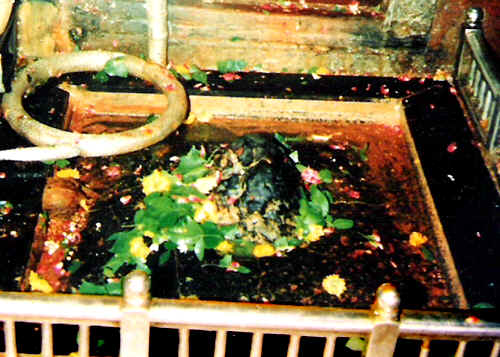
|
"The Lingam
is split into two, the Omkareswara & the Amaleshwara"
|
|
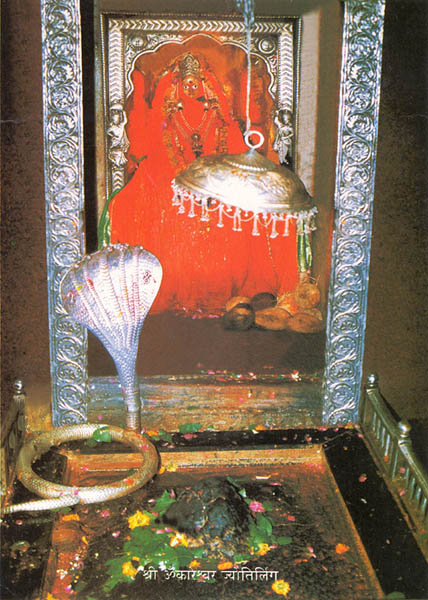 The Omkareswara Jyotir Lingam |
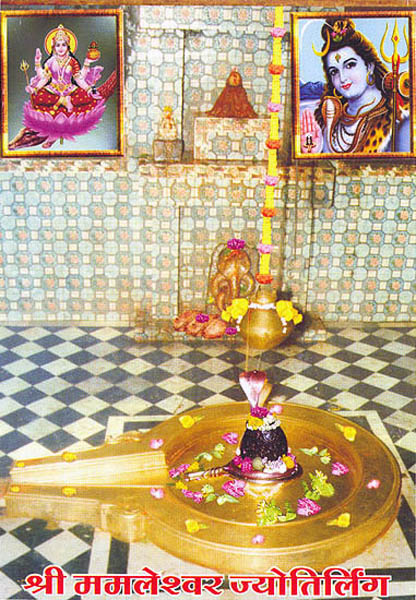 The Amaleswara Jyotir Lingam |
|
Mythology
|
|
| Legend tells us that Mandhata, a great Emperor of the Ishvaku clan, ruled and also did great penance here at this land. It is said that once sage Naradar, during his visit to the Vindyas, sang the praise of mount Meru to Mount Vindhya. On hearing this, Mount Vindhya prayed to Lord Siva to gain in importance. Lord Siva blessed him and appeared here as Omkareshwara and Amaleshwara and gave the boon of growing, but without hindering devotees of Lord Shiva. But the Vindhyas did not stop growing, and even obstructed the sun and the moon. Sage Agasthyar subdued its growth by saying it should not grow till he gets back there. He never went back and hence the growth was arrested. | |
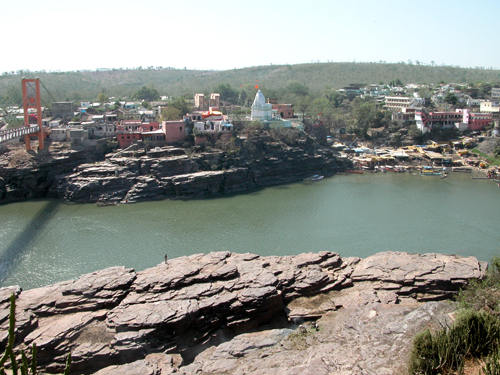 Wiev from the Omkareswara Temple towards the Amaleswara Temple. The Amalesara is the two dark Sikharas in the middle of the picture behind the white temple (which is not Omkareswara) |
|
|
A pilgrimage to the Omkareswara Jyotir Lingam is not complete
untill you have visited and have had the Darshan of the Amaleswara Jyotir Lingam.
The Amaleswara Temple (see bottom of this page) you will find on the mainland
before walking across the footbridge.
|
|
|
The
Omkareswara Temple
|
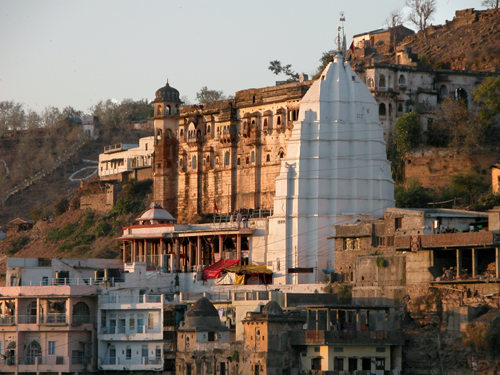
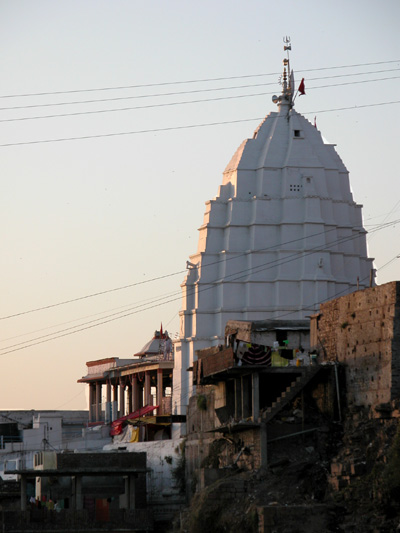
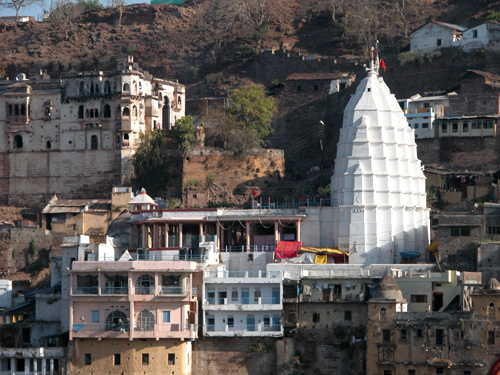
| The Omkareshwara temple is built in the North Indian Nagara style and is characterized by a lofty white spiraled Shikhara. The temple is constructed from local softstone worked to a rare degree of detail, particulary in the friezes of the upper part of the structure. It is said that this cavelike temple dates all the way back to the Krita Yuga. It is possible for the pilgrims to enter the tower and on the way up you pass by shrines to Ganesha and Annapurani. Devotees consider worship to the Panchamuga Ganesha, to be very auspicious. |
 |
 |
 |
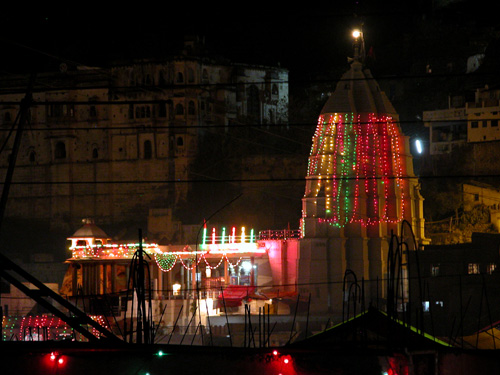 |
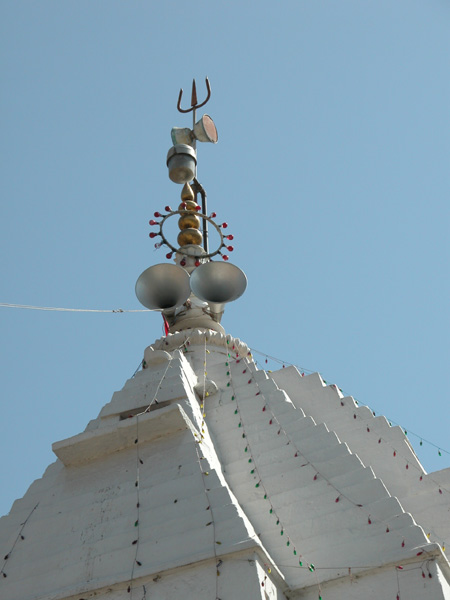
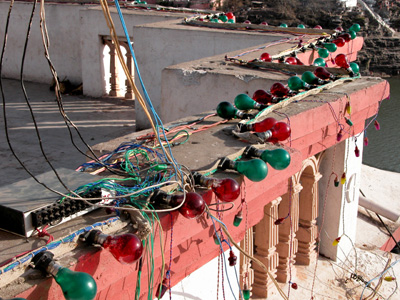 The lightbulbs on the temple roof |
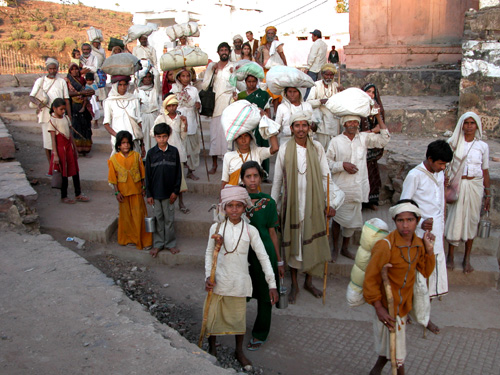
Omkareswar is a busy pilgrim city
 |
The Amaleswara Jyotir Lingam
Temple,
Madhya Pradesh
|
|
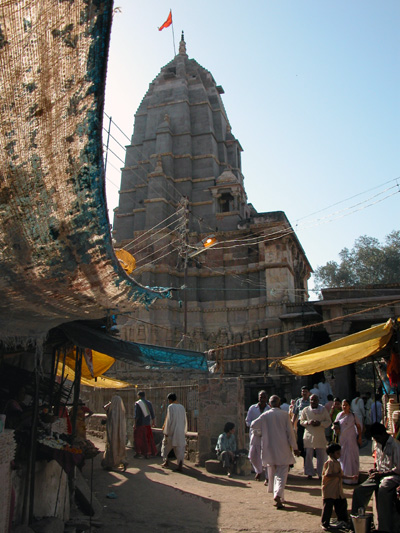 The first wiew of the Amaleswara Temple seen from the street |
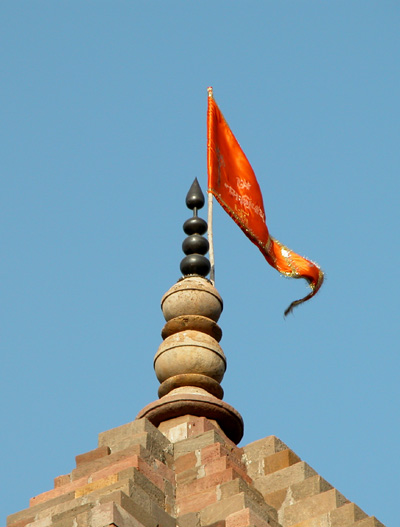 The Amaleswara temple top |
|
In the village on the mainland you find the
Amaleswara Temple,
the shrine with the other half of the Jyotir Lingam.
Legend
has that upon the request of the Devas, the Shivalinga split into two,
one half being Omkareshwara and the other Amaleshwara or Amareshwar.
The Yatra (pilgrimage)
to Omkareswara is therefore not complete unless you have visited the Amaleshwara temple and have had
the Darshan of the Amaleswara Jyotir Linga.
|
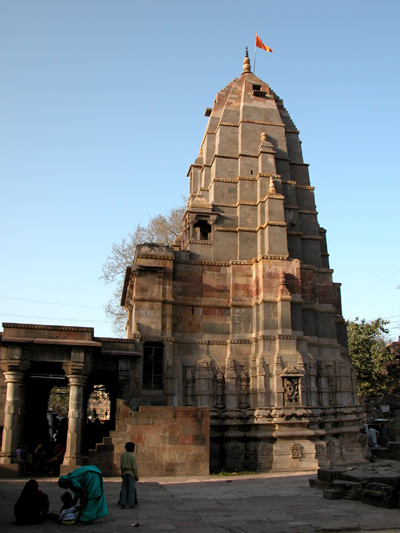 The Amaleswara Temple seen from the courtyard |
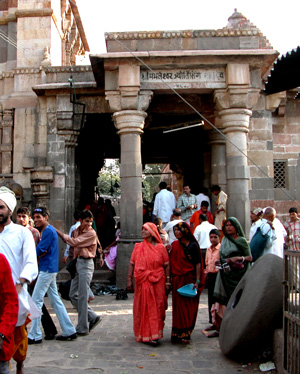 Entrance busy with pilgrims |
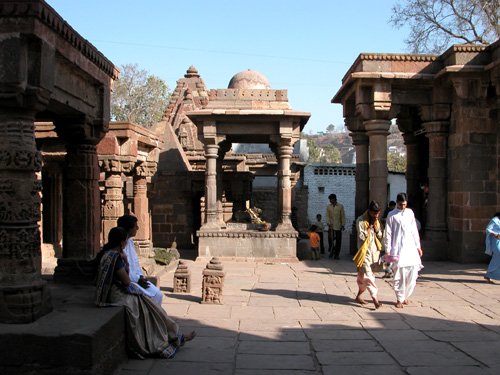 Courtyard with the Nandi Shrine |
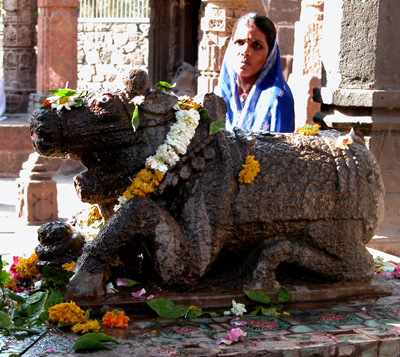 Nandi bull at the entrance |
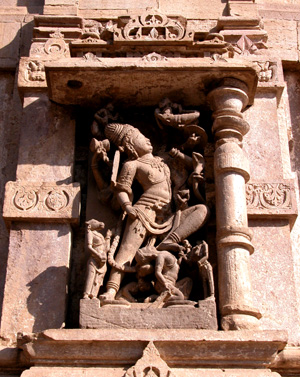 Relief at the backside of the maintemple |
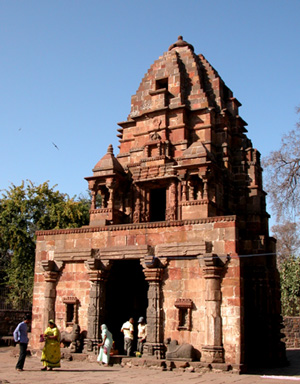 Sidetemple |
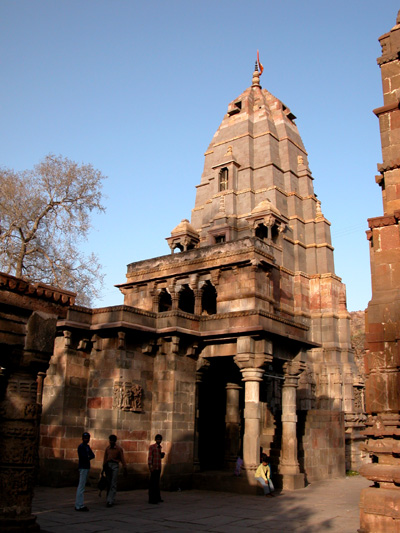 Side Temple |
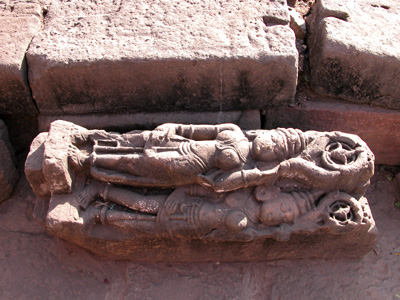 Idols left over after reconstruction |
|
The footbridge
|
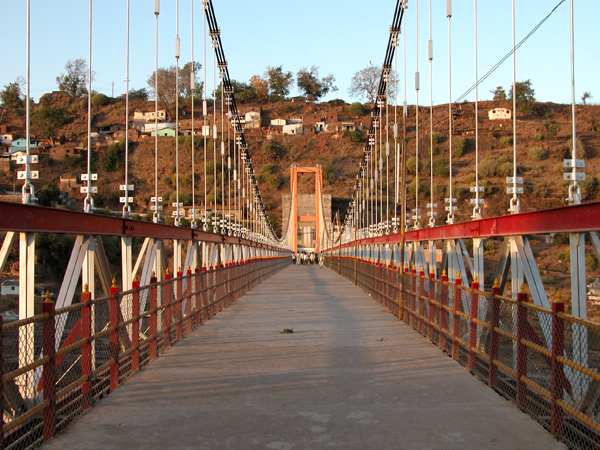 Footbridge from mainland to the island of Omkareswara |
| A high foot bridge is connecting the island with the village on the mainland. You can also go by boat and once you are there you have a feeling of being in a mini Varanasi with narrow lanes, shrines in little nooks, incense, Narmada Shiva Lingams and dye merchants. Crowds gather for the Pujas that are performed in the temple three times a day. |
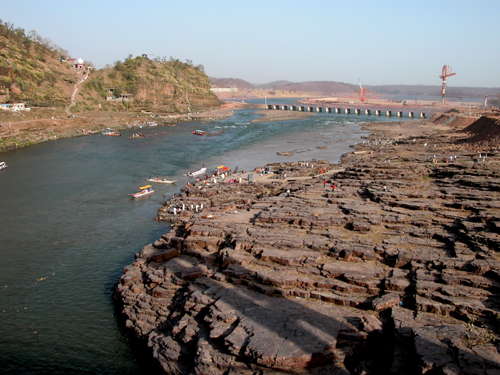 Narmada River seen from the bridge towards east |
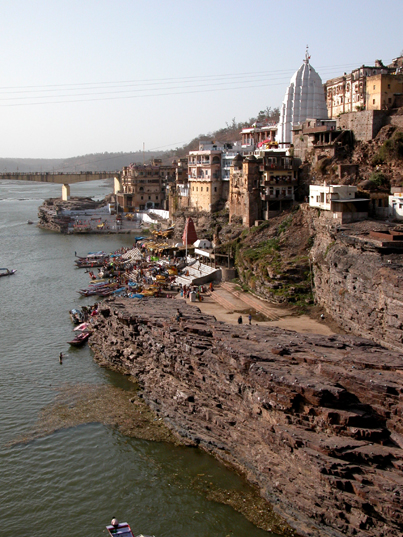 Narmada seen towards west |
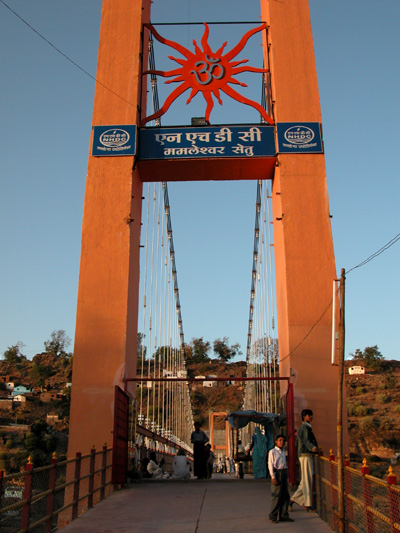 The pylons carrying the bridge |
|
Boatride to the Sangama
|
| This area offers beautiful boatrides to the Sangama where the Narmada
River and Kaveri River meet and merge into eachother. The meeting
place beteen two or even more auspicious, three rivers is considered as
very holy places in the Hindu tradition. See Narmada River for more fotos from the boatride at Omkareswara. |
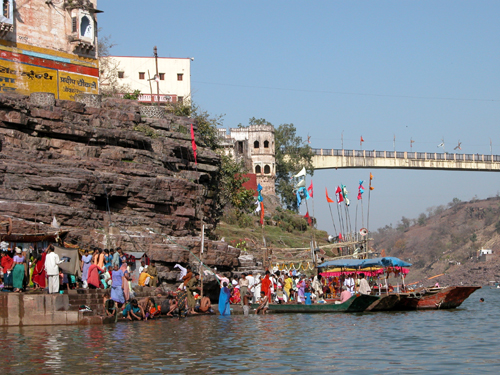 Busy atmosphere at the boat rent |
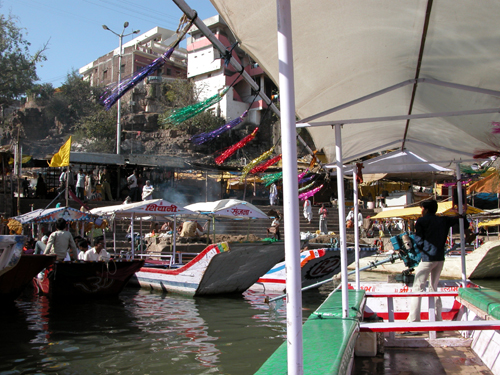 Ready to go |
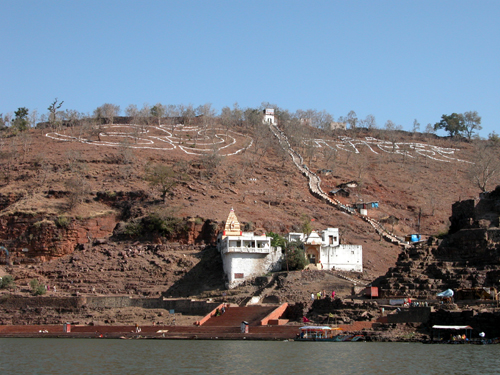 Omkar sign on the Narmada River banks |
OM Namah Shivaya
|
mukti4u2@gmail.com
|
 |
www.mukti4u2.dk
|


