| ||||||||||||||||||||||||||||||||||||||||||||||||||||
Tuesday, January 28, 2020
Pahalgam and its Environs



 Book in pdf format


Sunday, January 26, 2020
Khodiyar
Khodiyar Maa (Maa meaning mother in many Indian languages) is a warrior Hindu goddess born in Charan caste around 700 AD. She was daughter of Mamad Ji Charan.
In Gujrat Charans are also known as Gadhvi.
Mamad Ji Charan had good relations with the then ruler Maharaj Shilbhadra. The ruler's ministers envied this exceptional relationship and hatched a plan to get rid of Mamad Ji. They were not very successful at persuading the ruler, but they succeeded in persuading the ruler's wife, the queen.
One day, the doorkeepers did not let him go into the palace. When Mamad Ji asked for the reason, he was told that a childless man is not worthy of the king's presence. Mamad Ji returned home and wanted to ask Lord Shiva for help. When Lord Shiva did not appear, he decided to give his life away as a final sacrifice. Just when he was about to kill himself, Lord Shiva appeared and took him to the Snake Kingdom – Nagaloka to see the King of Snakes – Nagadev.
After hearing his story of humiliation, the Nagadev's daughters decided to help too. When Mamad Ji came home, with his wife he prepared, as advised by the Nagdev's daughters, eight cradles in expectation of a great event. Later due to the boon of Lord Shiva and Nagdev he was blessed with seven sisters and a son. One of the daughters was Khodiyar Maa. They were raised as fearsome warriors and always wore black cloths in memory of their native place, the Naglok. Therefore, they were given the names as cobra sisters or Nagnechi in the local language and were also the tutelary deity of the royal house of the erstwhile Marwar state. After showing many miraculous powers, people consider her to be a goddess and she has temples and shrines too in all of the northwestern part of Indian subcontinent. Her vehicle is the crocodile and she has many other names such as Khodal, Trishuldhari, Maavdi.
Khodiyar is considered as a daughter of Charan. Her temples are found all over Gujarat, Rajasthan and Mumbai, but the most important four are – Matel Near Wankaner, Rajpura village near Bhavnagar, Galdhara near Dhari and tataniya dhara near Bhavnagar.
Khodaldham is massive under-construction temple of "maa khodiyar" approximate area of 50 vigha.[2] It is located near Kagvad [Gujarat, 360370], off Jetpur-Virpur road section on NH27. It is located close to Khambalida Buddhist caves.
Khodiyar's temple at Matel near Wankaner is huge and people gather on the riverbank near the temple to see a crocodile, the goddess' mount. The place is located about 17km north of Wankaner, and 26km southeast of Morbi.
Sprawling Khodiyar Mataji temple at Rajpara village (Rajpara Dham) is equally popular. It is located about 18 km west of Bhavnagar city. There is a lake near the temple known as Tataniya Dharo, and for the same reason, goddess is also known as Tataniya Dharawali.
Galadhara Shree Khodiyar Mandir near Dhari, Gujarat is equally massive and popular.
A Gujarati film Jai Khodiyar Maa, was once a box office hit and Hemant Chauhan has a garba CD with the same title.
Khodiyar Jayanti is large celebration in Khodaldham Kagvad. Khodaldham Kagvad, a big temple is recently opened for Public. In this temple the festival of Khodiyar Jayanti is celebrated as a grand celebration of Goddess Khodiyar birth anniversary. Many people take blessings on this day of Khodiyar Jayanti from Khosiyar Maa. Goddess Khodiyar is famous for her Kindness. Devotees believes that she appears anywhere to help them. There are so many sthaanak (Temple) of Goddess Khodiyar. Goddess Khodiyar went into a trance (Samadhi) at sanganva village of lodhika Taluka, district Rajkot
In Gujrat Charans are also known as Gadhvi.
Mamad Ji Charan had good relations with the then ruler Maharaj Shilbhadra. The ruler's ministers envied this exceptional relationship and hatched a plan to get rid of Mamad Ji. They were not very successful at persuading the ruler, but they succeeded in persuading the ruler's wife, the queen.
One day, the doorkeepers did not let him go into the palace. When Mamad Ji asked for the reason, he was told that a childless man is not worthy of the king's presence. Mamad Ji returned home and wanted to ask Lord Shiva for help. When Lord Shiva did not appear, he decided to give his life away as a final sacrifice. Just when he was about to kill himself, Lord Shiva appeared and took him to the Snake Kingdom – Nagaloka to see the King of Snakes – Nagadev.
After hearing his story of humiliation, the Nagadev's daughters decided to help too. When Mamad Ji came home, with his wife he prepared, as advised by the Nagdev's daughters, eight cradles in expectation of a great event. Later due to the boon of Lord Shiva and Nagdev he was blessed with seven sisters and a son. One of the daughters was Khodiyar Maa. They were raised as fearsome warriors and always wore black cloths in memory of their native place, the Naglok. Therefore, they were given the names as cobra sisters or Nagnechi in the local language and were also the tutelary deity of the royal house of the erstwhile Marwar state. After showing many miraculous powers, people consider her to be a goddess and she has temples and shrines too in all of the northwestern part of Indian subcontinent. Her vehicle is the crocodile and she has many other names such as Khodal, Trishuldhari, Maavdi.
Khodiyar is considered as a daughter of Charan. Her temples are found all over Gujarat, Rajasthan and Mumbai, but the most important four are – Matel Near Wankaner, Rajpura village near Bhavnagar, Galdhara near Dhari and tataniya dhara near Bhavnagar.
Khodaldham is massive under-construction temple of "maa khodiyar" approximate area of 50 vigha.[2] It is located near Kagvad [Gujarat, 360370], off Jetpur-Virpur road section on NH27. It is located close to Khambalida Buddhist caves.
Khodiyar's temple at Matel near Wankaner is huge and people gather on the riverbank near the temple to see a crocodile, the goddess' mount. The place is located about 17km north of Wankaner, and 26km southeast of Morbi.
Sprawling Khodiyar Mataji temple at Rajpara village (Rajpara Dham) is equally popular. It is located about 18 km west of Bhavnagar city. There is a lake near the temple known as Tataniya Dharo, and for the same reason, goddess is also known as Tataniya Dharawali.
Galadhara Shree Khodiyar Mandir near Dhari, Gujarat is equally massive and popular.
A Gujarati film Jai Khodiyar Maa, was once a box office hit and Hemant Chauhan has a garba CD with the same title.
 | |
| Affiliation | Devi, Parashakti |
|---|---|
| Mantra | Ai shri khodiyar |
| Mount | Makara |
Khodiyar Surname
Many Hindu castes mainly Charan and Patel, Bhoi, who worship Khodiyar Mata as their Kuldevi also use Khodiyar as their surname. Chudasama, patidar sarvaiya, Rana,Raval(yogi) clans sometimes used Khodiyar as their surname as they worship Khodiyar Mata, as their Kuldevi.[3]Khodiyar Jayanti
Khodiyar Jayanti: Sri Khodiyar Mataji Jayanti or Birth aaniversary is celebrated annually in India and especially in Gujarat, India. Khodiyar Jayanti observed on the eighth day (Ashtami) during the waxing phase of moon (Shukla Paksha) in Magh Month. There are people popularly believed that this Hindu Goddess appeared on the Magh Shukla Ashtami day. Khodiyar Jayanti mostly celebrated in Gujarat especially celebrated in Goddess Khodiyar Maa birth place Rohishala, Rajpara,and Matel Near Bhavnagar. On this day every khodiyar Ma temple decorated full of lighting and flowers. Special Puja arrange in big temples.Khodiyar Jayanti is large celebration in Khodaldham Kagvad. Khodaldham Kagvad, a big temple is recently opened for Public. In this temple the festival of Khodiyar Jayanti is celebrated as a grand celebration of Goddess Khodiyar birth anniversary. Many people take blessings on this day of Khodiyar Jayanti from Khosiyar Maa. Goddess Khodiyar is famous for her Kindness. Devotees believes that she appears anywhere to help them. There are so many sthaanak (Temple) of Goddess Khodiyar. Goddess Khodiyar went into a trance (Samadhi) at sanganva village of lodhika Taluka, district Rajkot
Saturday, January 18, 2020
MANGLESHWAR BHAIROV ASTHAPAN MAMCHIBALFATEH KADAL SRINAGAR KASHMIR


Saturday, January 4, 2020
Vaikuntha Ekadashi
Vaikunta Ekadashi is the Shukla Paksha Ekadashi that occurs during the Dhanu/Margazhi month in the Hindu calendar (corresponding to late December - early January in English calendar).
The Vaishnava (Worship of Vishnu) sect believes that ‘Vaikunta Dwaram’ or ‘the gate to the Lord's Inner Sanctum’ is opened on this day. The Margashirsha Shukla Paksha Ekadashi in the Lunar calendar is known as a 'Mokshada Ekadashi.' Special prayers, yagnas, discourses and speeches are arranged at Vishnu temples across the world on this auspicious day. The Shaiva sect observes the day as Trikoti Ekadashi, a religious observance where all the deities in the Hindu pantheon pay obeisance to Lord Sri Shiva at once.
According to the Vishnu Purana, fasting on Vaikuntha Ekadashi is equivalent to fasting on the remaining 23 Ekadashis of the (Hindu) year.[4] However, according to Vaishnava tradition fasting is mandatory on all Ekadashi of both Shukla paksha and Krishna paksha. Fasting on Ekadashi is considered holier than any other religious observation.
Vishnu opened the gate of Vaikuntham (his abode) for two demons in spite of their being against him. They also asked for the boon that whoever listens to their story and sees the image of Vishnu coming out of the door called Vaikunth Dwar, will reach Vaikunth as well. Temples all over India make a door kind of structure on this day for devotees to walk through.
According to Padma Purana, the female energy of Vishnu slayed the demon Muran and protects the 'Devas'. This happened on the eleventh day of lunar month during the sun's journey in the Dhanu Rashi. Impressed by the act, Vishnu names her as 'Ekadashi' and gives her the boon that those who worship 'Ekadashi' on the day of her victory over Muran would reach 'Vaikunth' (His abode).[5]
Vaikuntha Ekadashi is one of the important and auspicious days for Hindus. It is dedicated to Vishnu. It occurs in the Hindu calendar, in the month of Margashirsha (between December and January). When observed, it bestows liberation from the cycle of birth and death.
The demon Muran stands for the Rajasic and Tamasic qualities in people, attributed to lust, passion, inertia, arrogance etc. When one conquers these tendencies, one attains the purity of mind, Satva, indispensable for attaining of moksha, the liberation or realization of the self. For realizing the self as pure awareness, purity of mind is required. Fasting helps to keep at bay tendencies which could be triggered by intake of certain foods. Keeping vigil in the night is symbolic of awareness, or being watchful of the contents of the mind. When the mind is looked at, it becomes still. To abide in the stillness is to attain freedom or peace, acquired through merging of the mind with the self. This is symbolic of the mind automatically being absorbed at the sight of Vishnu after the arduous fast and vigil.
The belief that rice is prohibited, because Muran dwells in it, symbolically signifies that the eating of rice makes one feel heavy and hampers the vigil. This signifies that entertaining negative tendencies could hamper one's progress towards awareness or consciousness. Observance of the rituals on this auspicious day even without understanding their importance is beneficial. Hence the merit accrued through observing them with piety is believed to be immeasurable. In the Mahabharata, Bhagavad Gita the conversation between Krishna and Arjuna at the beginning of Kurukshetra War is said to have occurred on this day.
On this day, the Vaikuntha Dwaram or the Vaikuntha Vaasal, 'The Gates of Vaikunta' are believed to be kept open. The area encircling the sanctum is referred to Vaikuntha Vaasal and devotees throng to gain entry into the temple, to seek Vishnu...
On Vaikuntha Ekadashi very early morning, Utsavar Namperumal will bless devotees in an armor of diamonds (rathnaangi) and brought to the Thousand-Pillared Hall from the sanctum sanctorum through the northern gate known as Paramapada Vasal, the gate to Vaikuntha. This gate is opened once in a year, only on the Vaikuntha Ekadashi day. It is said that any one who goes through the Paramapada Vasal will reach vaikuntham. On the 8th day of Irapathu Namperumal will bless devotees in Golden Horse Vahanam in the evening & Thirumangai Mannan Vedupari Ritual will be held

The Vaishnava (Worship of Vishnu) sect believes that ‘Vaikunta Dwaram’ or ‘the gate to the Lord's Inner Sanctum’ is opened on this day. The Margashirsha Shukla Paksha Ekadashi in the Lunar calendar is known as a 'Mokshada Ekadashi.' Special prayers, yagnas, discourses and speeches are arranged at Vishnu temples across the world on this auspicious day. The Shaiva sect observes the day as Trikoti Ekadashi, a religious observance where all the deities in the Hindu pantheon pay obeisance to Lord Sri Shiva at once.
Legend
| Part of a series on | |
| Hindu philosophy | |
|---|---|
 | |
| Orthodox | |
|
|
|
| Heterodox | |
|
|
|
Vishnu opened the gate of Vaikuntham (his abode) for two demons in spite of their being against him. They also asked for the boon that whoever listens to their story and sees the image of Vishnu coming out of the door called Vaikunth Dwar, will reach Vaikunth as well. Temples all over India make a door kind of structure on this day for devotees to walk through.
According to Padma Purana, the female energy of Vishnu slayed the demon Muran and protects the 'Devas'. This happened on the eleventh day of lunar month during the sun's journey in the Dhanu Rashi. Impressed by the act, Vishnu names her as 'Ekadashi' and gives her the boon that those who worship 'Ekadashi' on the day of her victory over Muran would reach 'Vaikunth' (His abode).[5]
Vaikuntha Ekadashi is one of the important and auspicious days for Hindus. It is dedicated to Vishnu. It occurs in the Hindu calendar, in the month of Margashirsha (between December and January). When observed, it bestows liberation from the cycle of birth and death.
Significance
The significance of Vaikuntha Ekadashi is mentioned in the Padma Purana. The legend says that the Devas, unable to bear the tyranny of 'Muran' - a demon, approached Shiva, who directed them to Vishnu. A battle ensued between Vishnu and the demon and Vishnu realized that a new weapon was needed to slay Muran. In order to take rest and create a new weapon, Vishnu retired to a cave for the goddess named Haimavati in Badarikashrama. When Muran tried to slay Vishnu, who was sleeping, the female power that emerged from Vishnu burned Muran to ashes with her glance. Vishnu, who was pleased, named the goddess 'Ekadashi' and asked her to claim a boon. Ekadashi, instead, beseeched Vishnu that people who observed a fast on that day should be redeemed of their sins. Vishnu thus declared that people who observed a fast on that day and worshipped Ekadashi, would attain Vaikuntha. Thus came into being the first Ekadashi, which was a Dhanurmasa Shukla Paksha Ekadashi.The demon Muran stands for the Rajasic and Tamasic qualities in people, attributed to lust, passion, inertia, arrogance etc. When one conquers these tendencies, one attains the purity of mind, Satva, indispensable for attaining of moksha, the liberation or realization of the self. For realizing the self as pure awareness, purity of mind is required. Fasting helps to keep at bay tendencies which could be triggered by intake of certain foods. Keeping vigil in the night is symbolic of awareness, or being watchful of the contents of the mind. When the mind is looked at, it becomes still. To abide in the stillness is to attain freedom or peace, acquired through merging of the mind with the self. This is symbolic of the mind automatically being absorbed at the sight of Vishnu after the arduous fast and vigil.
The belief that rice is prohibited, because Muran dwells in it, symbolically signifies that the eating of rice makes one feel heavy and hampers the vigil. This signifies that entertaining negative tendencies could hamper one's progress towards awareness or consciousness. Observance of the rituals on this auspicious day even without understanding their importance is beneficial. Hence the merit accrued through observing them with piety is believed to be immeasurable. In the Mahabharata, Bhagavad Gita the conversation between Krishna and Arjuna at the beginning of Kurukshetra War is said to have occurred on this day.
Fasting on Ekadashi
Vaikuntha Ekadashi fasting is an important aspect of those associated with it. People fast the whole day and keep vigil. Special prayers are offered to Vishnu and devotees engage in Japa (chanting of Vishnu's name) and Dhyana (Meditation). On 'Dashami', the previous day of the observance, devotees who take up Vaikuntha Ekadashi fasting are to take only lunch. On Ekadashi, the next day, they have to maintain a complete fast and engage in prayers and meditation of Vishnu. They are strictly prohibited from taking rice. That night, people keep vigil the whole night and visit the temple of Vishnu, mostly in the wee hours of the morning.On this day, the Vaikuntha Dwaram or the Vaikuntha Vaasal, 'The Gates of Vaikunta' are believed to be kept open. The area encircling the sanctum is referred to Vaikuntha Vaasal and devotees throng to gain entry into the temple, to seek Vishnu...
Celebrations
Sri Rangam
Sri Ranganathaswamy Temple, Srirangam Vaikuntha Ekadashi celebrations in Srirangam last 20 days, divided into two parts: pagal pathu (morning part 10 days) and Ira pathu (night part 10 days). Vishnu as Lord Ranganatha Moolavar will bless devotees in 'Muthangi' an armor of Pearls on all 20 days. On the 10th day of Pagal Pathu (previous day of Vaikuntha Ekadashi) Utsavar Namperumal will blesss devotees in Mohini Alankaram.On Vaikuntha Ekadashi very early morning, Utsavar Namperumal will bless devotees in an armor of diamonds (rathnaangi) and brought to the Thousand-Pillared Hall from the sanctum sanctorum through the northern gate known as Paramapada Vasal, the gate to Vaikuntha. This gate is opened once in a year, only on the Vaikuntha Ekadashi day. It is said that any one who goes through the Paramapada Vasal will reach vaikuntham. On the 8th day of Irapathu Namperumal will bless devotees in Golden Horse Vahanam in the evening & Thirumangai Mannan Vedupari Ritual will be held
Tirupati
Tirumala Venkateswara Temple also has a similar concept to celebrate Mukkoti Ekadashi, as it is known in the Telugu-speaking regions. Tirumala has a special entrance called Vaikuntha Dwaram that encircles the sanctum sanctorum. The dwaram (passage) is opened only on Vaikuntha Ekadashi and it is believed that any person who passes through this `Vaikuntha Dwaram' on this particular day attains salvation.[7] The temple witnesses heavy inflow of pilgrims and dignitaries for Vaikuntha Ekadashi. All Arjitha sevas are cancelled on this day, including VIP darshan and only Sarva Darshanam is allowed on Vaikunta Ekadashi except VVIP's. No Online Bookings are permitted on this day. Privileged darshan formats are stopped during this period.
Wednesday, January 1, 2020
Shiva Temples in Uttarakhand
 admin
27 Mar, 2018
| Updated on: December 11, 2018
admin
27 Mar, 2018
| Updated on: December 11, 2018
Shiva Temples in Uttarakhand
I bow down to that three-eyed Lord Shiva, who is full of sweet fragrance,
Who nourishes the human beings.
May he free me from the bondage of worldly desires and death,
Just as a ripe cucumber fruit is separated from the creeper.
May I be fixed in Immortality!
This is the Maha Mrityunjay Mantra of Lord Shiva, muttering which 108
times one can get blessed with immortality or can escape from rebirth.
Shiva, the hero of Hindu Mythology, has appeared in several forms in
popular religious beliefs. While in the Puranas, he is referred to as
the destroyer of evils and represents one among the three primary
aspects of the Trinity, in folklores and legends, he has been depicted
more as a general householder who has flaws and follies just like common
men. However, Shiva in both these avatars has one thing in common and
that is his residence, which has been known to be on the Himalaya. To
mark his divine presence in Himalaya a number of temples are built at
different heights which are rich in architectural grandeur and lets one
feel the existence of that supreme soul inevitably.Who nourishes the human beings.
May he free me from the bondage of worldly desires and death,
Just as a ripe cucumber fruit is separated from the creeper.
May I be fixed in Immortality!
Also Read: Pilgrimage Sites in Garhwal Himalaya
Here are the most popular Shiva Temples found in Dev Bhumi
Uttarakhand which speak about the thousand years old tales connected to
this mystical land:Agasteshwar Mahadev, Rudraprayag
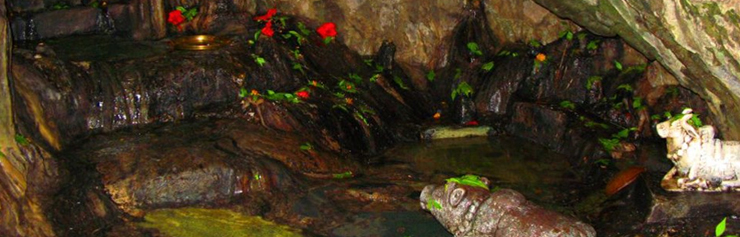
Located at a distance of 18 km from Rudraprayag, Agasteshwar Mahadev Temple is a popular pilgrimage destination on the bank of river Mandakini. Located at a picture perfect location, the temple presents a breathtaking milieu to meditate and seek mental peace. The temple is also known as Agastyamuni Temple and it is believed that the great sage Agastya meditated here for a couple of years. Every year during Baisakhi, a grand fair takes place here.
Baijnath Temple, Baijnath
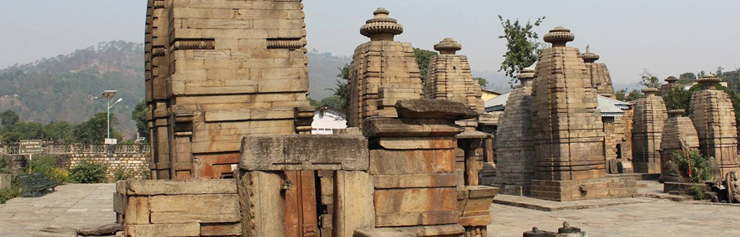
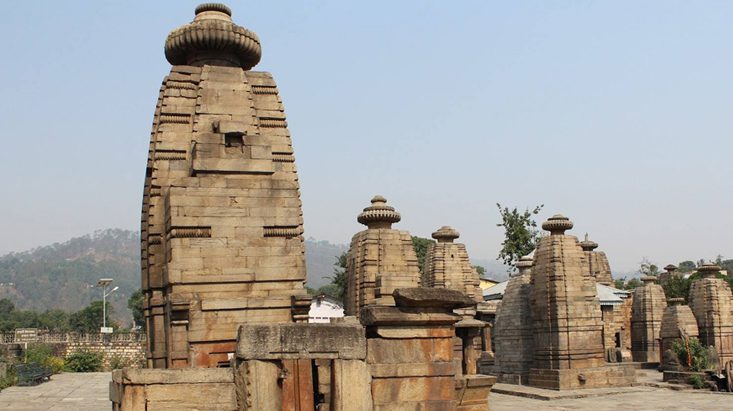
Located in Bageshwar district of Uttarakhand, Baijnath is a small town popular for its ancient Mahadeva Temple. The holy River Gomati flows by this town making it an impeccable spot to seek mental peace. The temple is at a distance of 16 km from Kausani and encompasses a couple of temples dedicated to other deities. Kot Bhramari Devi temple, a famous Shakta seat is found at a distance of 2 km from the temple. Devotees should remember that instead of the face, the back side of the deity is worshipped here.
Baghnath Temple, Bageshwar
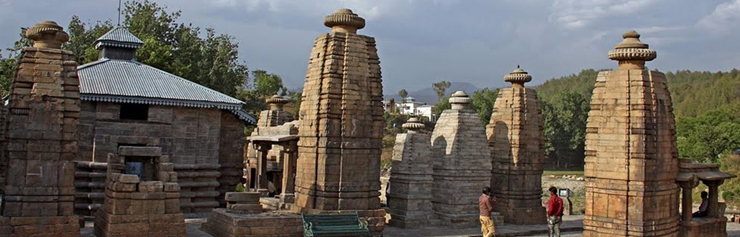
The literal meaning of Baghnath is the master of Tiger. As Shiva is found seated on a tiger skin, he is also known as Baghnath. The temple stands on the confluence of Gomti and Sarayu Rivers at a distance of 90 km from Almora, a famous hill station of Uttarakhand. During the holy month of Shravana devotees give a visit to this temple to pay their homage to Shiva, the rescuer. The temples around Baghnath are Durga temple, Dattatrey Maharaj, Hanuman temple, Kalika temple, Ganga Mai temple, Panchnam Junakhara, Thingal Bhairav temple, and the Vaneswar temple.
Also Read: Famous Devi Temples in Uttarakhand
Baleshwar Temple, Champawat
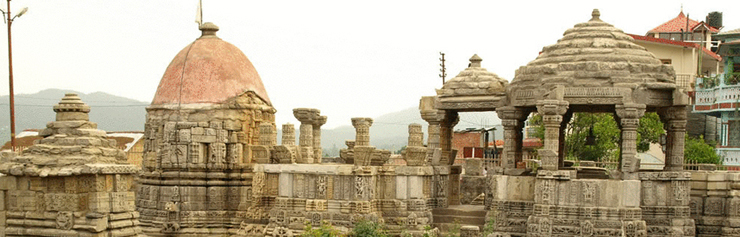
Located in the heart of the city Champawat in the state of Uttarakhand, Baleshwar is a small temple situated at a distance of approx 74 km from Pithoragarh district. The temple of Shiva in Baleshwar dates back to 10th – 12th century and depicts a wonderful work of art on its walls and pillars. Along with Baleshwar, the temple compound also encloses the seats of Ratneshwar and Champawati Durga. Shivaratri festival is the most important celebration in Baleshwar temple.
Binsar Mahadev Temple, Chamoli
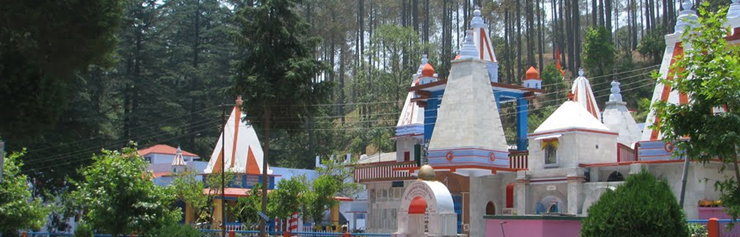
A mid altitude temple perched 2480 m above sea level, Binsar Mahadev Temple is surrounded by the natural majesty of thick Deodar forest in Chamoli, Uttarakhand. The awe-inspiring hill station of Uttarakhand, Ranikhet is only 19 km from this temple. The belief goes that the temple was built in a single day. On Vaikunth Chaturdashi ladies pay homage to this temple wishing good health of their kids and prosperity of their family. Cleanliness of the temples vicinity and fresh green background add to the exclusiveness of this temple.
Budha Kedar Temple, Tehri Garhwal
A calm and composed place in Tehri Garhwal district in the state of Uttarakhand, Buda Kedar is blessed by the existence of this holy temple. The temple dates back to the days of the Mahabharata and has its association with the Pandavas of Mahabharata. The temple is around 59 km from New Tehri and surrounded by the lofty hills covered with thick deodar forest. The temple gets more importance for standing by the confluence of river Bal Ganga and Dharam Ganga. The Shiva Linga found in this temple is believed to be the biggest in Northern India.Gananath Temple, Almora
A popular cave temple of Lord Shiva, Gananath is situated near Satrali village (Takula) at a height of 2116 m above sea level. The temple is at a distance of around 47 km from Almora and is thronged by people during the fair held on the occasion of Kartik Purnima. The fair is popular among the locals for its pomp and fervour. Rhythmic hymns, appealing songs and fascinating folk dance fill the air of the temple echoing with these joyous sounds.Gopinath Temple, Chamoli
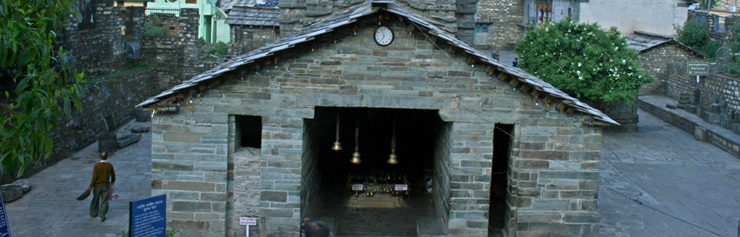
A must see temple in Chamoli district in the state of Uttarakhand, Gopinath temple is the witness to several myths and legends. The temple is located at a distance of around 3 km from the main town Chamoil. The temple stands apart for its unique worshipping style, as unlike the common Shiva temple, milk and water are not poured upon the Linga, instead only Billapatra (leaves of aegle marmelos) are offered on the Linga. It is said that in ancient times a cow used to bathe the Shiva Linga everyday with her milk. Witnessing this, the king of Katyuri Dynasty built the temple.
Jageshwar Temple, Almora
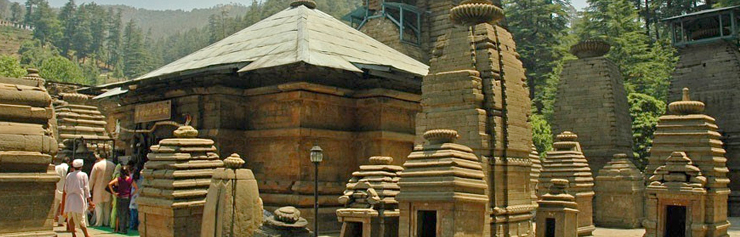
A 2500 years old temple complex standing in all its glory with intricate designs on its exteriors, Jageshwar is located at a distance of 37 km from Almora. Surrounded by spectacular natural views at the backdrop, this temple vicinity can be an ideal retreat for those who are looking for mental peace. On normal days the temple complex remains less crowded. Folks, who love to explore architectural grandeur, must see the site to get better knowledge about the different dynasties who became the patron of the temple. Other than the abode of Shiva, the complex also houses a couple of other temples dedicated to Mrityunjay Mahadev, Surya, Chandika, Kuber, Nau Durga, Nav Graha and some other popular Hindu deities.
Maha Mrityunjaya Temple, Jageshwar
One of the oldest and most popular seats of Lord Shiva found in Uttarakhand state, Maha Mrityunjay temple is located in the vicinity of Jageshwar. The lingam of Lord Mahadev, found in this temple looks unique for its eye shaped opening. It is believed that people chanting the Mrityunjay Mantra get relief from the fear of death and gain immortality.Kalpeshwar Mahadev Temple, Urgam Valley
Popular as one of the Panch Kedars found in Dev Bhumi Uttarakhand, Kalpeshwar Mahadev Temple is situated at a height of 2200 km above sea level. Joshimath is around 25 km from the temple and Auli is just 2 km away. The temple is located in Urgam Valley where the spectacular Himalayan landscape enhances the beauty of the place. Here, it should be mentioned that this is the only Kedar temple which can be visited throughout the year.Kamleshwar Mahadev Temple, Srinagar
A small temple with a mysterious background, Kamleshwar Mahadev Temple is situated in Pauri Garhwal region of Srinagar, Uttarakhand. The temple is the centre of a number of popular beliefs one of which says that during the Kartika Chaturdashi if a childless couple stands in front of the temple and spends the entire night holding an earthen lamp they will be blessed with a child. During Achra Saptami, i.e., the second day after Vasant Panchami, 52 types of dishes are offered to the deity.Kapileshwar Mahadev Temple, Pithoragarh
A popular cave temple in the Soar Valley nearby Thakaura Village, Kapileshwar Mahadev is situated at a distance of 3 km from Pithoragarh district. Lofty mountain ranges coated with thick green vegetation surround the temple from all sides. Witnessing the fascinating sight of Soar Valley will be worth it. It is believed that Sage Kapila meditated here.Kedarnath Temple, Rudraprayag
One of the main attractions of Chota Chardham Yatra and the most important Shiva temples in Uttarakhand, Kedarnath Temple is located at a height of 3586 m above sea level. The temple is located in an awe-inspiring setting enhanced by the panoramic views of the mighty Himalaya. It is believed that the original temple was built by the Pandavas of Mahabharata. The temple remains open only during summer and in winter season the idols are taken out to Ukimath as the way to the former temple remains totally blocked by snow.Koteshwar Mahadev Temple, Rudraprayag
Located at a distance of only 3 km from Rudraprayag Town, Koteshwar is a divine destination near Alakananda River. It is believed that Lord Shiva meditated in the cave of Kotehwar Temple to get rid of Bhasmasur. Though a well constructed temple stands at the vicinity of Koteshwar, the central deity Shiva is worshipped only in the natural cave.Kranteshwar Mahadev Temple, Champawat
Kranteshwar Mahadev Temple which is popularly known as the Kandev or Kurmapad Temple is located on a hill top to the east of Champawat town in Uttarakhand. The temple is around 6 km from the main town and situated at an elevation of around 6000 m above sea level.Lakha Mandal Temple, Dehradun
A popular pilgrimage spot in Dehradun district in the state of Uttarakhand, Lakha Mandal is located on the outskirts of Dehradun town at a distance of approx 75 km. The temple depicts wonderful work of art on its walls and is surrounded by a couple of small and large shrines. There are a good number of Lingams, statues and inscriptions found in the temple vicinity. It is believed that the eldest of the Kaurava brothers, Duryodhana made the Lakshagriha in this place to burn the Pandavas alive. It is believed that the devotees visiting the temple get relief from misfortune.Madhyamaheshwar Temple, Rudraprayag
Madmaheshwar or Madhyamaheshwar is a quaint holy spot at a distance of 46 km from Rudraprayag. The temple stands second on the Panch Kedar pilgrimage circuit. The temple is situated at a height of 3265 m above sea level and looks immensely beautiful for the presence of the snow capped Himalaya on the right side. A navel shaped lingam of Lord Shiva is worshipped here. The architectural design of the temple depicts classic North-Indian style and mesmerizes the visitors with its scenic view.Mukteshwar Temple, Nainital
51 km from the lake town Nainital, Mukteshwar is a holy town sanctified by the presence of Lord Mukteshwar Mahadev. The temple is located at a height of 2286 m above sea level in Kumaon Hills in the state of Uttarakhand. The Shiva Lingam of the temple is surrounded by the idols of Vishnu, Brahma, Ganesh, Nandi and Parvati. The famous rock climbing site Chauli ki Jali is located very close to the temple.Neelkanth Mahadev Temple, Rishikesh
22 km from Laxmanjhula and 32 km from Rishikesh, Neelkanth Mahadev temple is located in Pauri Garhwal district of Rishikesh. The temple is surrounded by thick forest and stands close to the mountain ranges of Nar-Narayan. It is said that during the sea-churning (Samudra Manthana) performed by deities and demons, initially poisons in huge amount came out and there was none to control it. Shiva, the saviour then drank all the poison which made his throat completely blue. The shikhara of the temples depicts the same through wonderful carvings on it.Omkareshwar Temple, Ukhimath
The winter home of Lord Kedarnath and Madhyamaheshwar, Omkareshwar Temple is located in Ukhimath of Rudraprayag town at an elevation of 1317m above sea level. The temple looks fascinating for its impressive architectural grandeur and hue of colours. During winter season when the main temples of Tungnath, Kedarnath and Madmaheshwar start sinking under snow, the deities are brought to Omkareshwar Temple on palanquins.Pancheshwar Temple, Champawat
Located at the holy confluence of Sarayu and Kali rivers, Pancheshwar is a small temple in Champavat city of Uttarakhand. 40km from Lohaghat, the temple is located at the base of the mighty Himalayan ranges on a very calm and composed spot. Tourist should remember that Pancheshwar forms the border of Nepal.Patal Bhuvaneshwar Temple, Pithoragarh
A limestone cave temple connected with several mysterious tales and beliefs, the abode of Patal Bhubaneshwar is located at a distance of 13 km from Gangolihat in Pithoragarh district. Situated at a height of 1350 m above sea level, the cave is believed to be the seat of 33 Crore deities. This mystical cave temple is around 160 m long and 90 feet deep. Several rock formations found inside the temple depict various stalagmite figures. A number of mystical things like the tongue of Kal Bhairav, Airavat of Indra, matted lock of Shiva and a couple of such surprising things are found inside the temple.Rameshwar Temple, Rishikesh
A vibrant temple of Lord Shiva near Ram Jhoola in Rishikesh, Rameshwar temple is popular among the local devotees. The Shikhara of the temple looks stunning from afar for its unique colour combination. The architecture of the temple looks modern and simple.Rudranath Temple, Chamoli
One of the five interrelated spots of the popular Panch Kedar, Rudranath Temple is situated in Chamoli district of Uttarakhand. The route to the temple is a little treacherous and considered to be the toughest among the five temples. The idol of Shiva remains covered with a mask which makes his look angry. However, during his daily bath when priests take off the mask his actual pleasing look can be witnessed. By the Rudranath Temple, the holy river Rudraganga flows which is also known as Vaitarani.Someshwar Temple, Kausani
A quaint village with calm and composed environment, Someshwar is blessed with the presence of this sacred temple. It is around 11 km from the beautiful hill station Kausani. The temple is located on the Kausani – Almora road. People often believe that it is one among the 12 Jyotirlingas. The temples date back to the beginning of the 17th century and the idols are believed to belong to a period between 7th and 16th century AD.Tapkeshwar Mahadev Temple, Dehradun
Around 6.5 km from the central town of Dehradun, the seat of Tapkeshwar Mahadev is a picturesque spot to visit for worshipping Lord Shiva. In Hindi, ‘Tapak’ means drip and here in one of its cave temples water drops naturally trickle down on the Shivalinga. Owing to this natural wonder, the deity is believed to be named Tapkeshwar Mahadev. This is the cave where Drona, the teacher of the Pandavas and the Kauravas used to reside with his family.Trijuginarayan Temple, Rudraprayag
Located in Triyuginarayan village of Rudraprayag district, this shrine is a very sacred place to visit. Though the temple is dedicated to Lord Vishnu, Lord Shiva is also worshipped here. The devotees held the belief that Shiva and Parvati got married in this temple. The temple is known as Akhand Dhuni Temple which means a flame keeps on burning here inconsistently. It is believed that the fire is burning since the last three Yugas. In the temple courtyard there is a source of water (stream) that feeds four nearby ponds.Tungnath Temple, Chopta
Claimed as the highest Shiva temple in the world, Tungnath is located at an elevation of 3,680 m just below the peak of Chandrashila. It is one of the Panch Kedars and visited by devotees in search of good fortune. It is said that the temple is constructed by Arjuna, the third of the Pandavas. During winter season, the idols are moved to Mukunath. The architectural design of the temple has high resemblance with Kedarnath, Madhyamaheshwar and Guptakashi.Bineshwar Mahadev Temple, Binsar
A 16th century temple designed with magnificent architectural excellence, Bineshwar Mahadev Temple is located in Binsar. Here the central deity is Lord Shiva. It is believed that Binsar, the captivating hill station of Uttarakhand is named after this holy shrine. The temple is constructed by King Kalyan Chand of Chand Raja Dynasty. It is a nice halt for travellers who are heading to Binsar Wildlife Sanctuary.Vishwanath Temple, Guptkashi
Guptkashi is a popular religious spot in Uttarakhand state where the seat of Vishwanath, the master of Universe is situated. The temple of Vishwanath is located on the way to Kedarnath. It has religious significance just like the temple of Kashi Vishwanath in Varanasi. It is said that Shiva proposed to Parvati in this place before commencing their marriage in Trijuginath. The temple looks impressive for the presence of snow packed mountain peaks of Chaukhamba.Vishwanath Temple, Uttarkashi
Located on the Rishikesh – Gangotri route, Uttarkashi is the gateway to the holy temple of deity Ganga (Gangotri). The temple of Lord Vishwanath is located in this serene location. Inside the temple complex, there are smaller shrines dedicated to Shakti. There is a giant brass trident in the temple premise which is inscribed with the description how the temple was built. Devotees approaching towards Gangotri temple can visit the temple of Vishwanath in the evening when the temple premise echoes with the sound of rhythmic chanting of Purohit and the sound of bell enhances the divine feel.Vriddha Jageshwar, Almora
Popularly known as the temple of Bara Jageshwar, this holy shrine of Lord Shiva is located 3km uphill from Jageshwar which is around 37 km from Almora. Lord Shiva is worshipped here in the form of an aged man. Just like Jageshwar, this shrine is also surrounded by dense Deodar forest and experiences salubrious weather all through the year. There is another temple in between Jageshwar and Vriddha Jageshwar, which is known as Baal Jageshwar.There are several anonymous temples inside the caves and folds of the Himalaya which are the centres of several untold mysteries. Devotees from across the world pay visit to these temples to get blessed with good fortune. However, those who would love to go adventurous along with paying homage to the deity; the temple of Panch kedar is an unbeatable option for those fun loving souls. Moving over the arduous route when one reaches the abode of serenity the soul gets imbibed with divine pleasure of meeting the Supreme Being. Moreover, the presence of most of these temples by the cascading riverside lets one feel captivated with the charisma of sheer divinity.
Subscribe to:
Posts (Atom)