Wednesday, November 27, 2013


Tuesday, November 26, 2013
Bali Temples
Bali Temples
Indonesia is a muslim dominated country. Bali, one of its islands however is 93% Hindu. Here are some pictures of Hindu Temples which you may like to see & appreciate .

Traditional morning prayers, food and flower gifts to Hindu deities in Bali's Ubud.

Tanah Lot temple.
Bali's most famous tourist pura, both spectacular and conveniently near to Bali's best beaches,
was built in the 16th century and dedicated to sea gods and spirits, so
it's appropriately home to toxic sea snakes that breed in caves around
the rock base. Tanah Lot is particularly popular and crowded for sunset
photos, just when the slippery serpents are looking for a bedtime snack.

Prayer
time at Bali's most important temple (for local people), Pura Besakih.
It's not recommended for tourists, however, unless you enjoy being
swindled.
Located on the slopes of Mount Agung, a volcano in north-east Bali, Besakih is a sacred collection
of 22 temples that is particularly revered recently because during a
deadly volcanic eruption in 1963 rivers of lava missed the complex by a
few metres.
Besakih
is a couple of hours drive from Ubud so not on the mass tourist trail
which is a good thing because locals have become unpleasantly mercenary,
demanding absurd sums as entry fees with mandatory temple 'guides' who
proceed to insist on 'gifts' to individual temples or for 'blessings'
etc. Fundamentally it's a one big 'donation' scam on a steep hillside.
Fergedaboutit.

Entrance to the Sacred Monkey Forest Sanctuary containing three temples, Padangtegal village, near Ubud.
Bali's macaque monkeys demand care. Two
colonies that tourists frequently come across are those in the Monkey
Forest and another group hanging around Uluwatu temple at the end of the
Bukit Peninsula in south Bali.
are quick, demanding and cunning and know that tourists often carry
edibles so have a tendency to suddenly grab anything loose, such as
sunglasses (off your face is not unknown!), camera, handbag and so on.
They may then chew this treasure into its component parts or wait for
the tourist - or a guide - to bribe the little critter with a banana to
return the goodies.
The bottom line is...enjoy watching the monkeys, they're fascinating
and sometimes cute, but don't carry any food (unless you want to be in
the middle of a feeding frenzy!), hide or keep a tight grip on any
possessions and keep an eye on the beasties at all time.
Of course the monkeys, like all animals, sense fear and take advantage of it, so show confidence, don't look them in the eyes and have a nice day!
Of course the monkeys, like all animals, sense fear and take advantage of it, so show confidence, don't look them in the eyes and have a nice day!

Inside the Dalem Agung Padangtegal Temple, one of three pura in the Monkey Forest.
Photo by Tsu

Yet another gorgeous Balinese temple; sadly the name escapes us.
Balinese Hindu temples, people and daily rituals are serene and
beautiful if you can ignore the buzz of motorcycles, the distant thump
of re-development jack-hammers and the occasional grasping local.

Kedewatan temple in Kedewatan village just west of Ubud, with some great hikes nearby.
Photo by Tsu.

Tanah Lot approaching the witching hour. Perhaps not the best destination or timing for tranquil appreciation of Bali's beautiful temples

Monday, November 25, 2013
Kushavart Kund - Trimbakeshwar

[ The sacred pilgrimage known as Kushavart in Trimbakeshwar ]
There is an interesting account explaining the significance of the place. Sage Gautam once committed a sin of killing a cow. As an act of repentance, He performed penance at the peaks of the Brahmagiri Mountains,
appeased Lord Shiva and asked for the Ganga waters so that he could
wipe off his sin. Pleased with his devotion, Lord Shiva jerked His big
locks of matted hairs on the Brahmagiri Mountains and sent Ganga down
onto the earth. Today that place is known as Gangadwar, situated
half way to the Brahmagiri Mountains. There is a temple of Ganga, now
known as Godavari River. Ganga appears first time here, after which it
vanishes.
But
the flow of the Ganges was tremendous due to which the sage could not
bathe in her waters. He then surrounded the river with Kusha, a type of grass and put a stop to her flow. After bathing here his sin of killing a cow was finally wiped off. The tirth (pilgrimage) came to be known as Kushavart.
Thus today, Kushavart is known as the symbolic origin of the River Godavari. It is from this Kushavart that the river Godavari flows up to the sea. There are temples at the four corners of Kushavart.

[ People at the Kushavart kund ]

[ Temples besides the Kushavart kund ]

POSTED BY...............VIPUL KOUL
EDITED BY...............ASHOK KOUL

Sunday, November 24, 2013
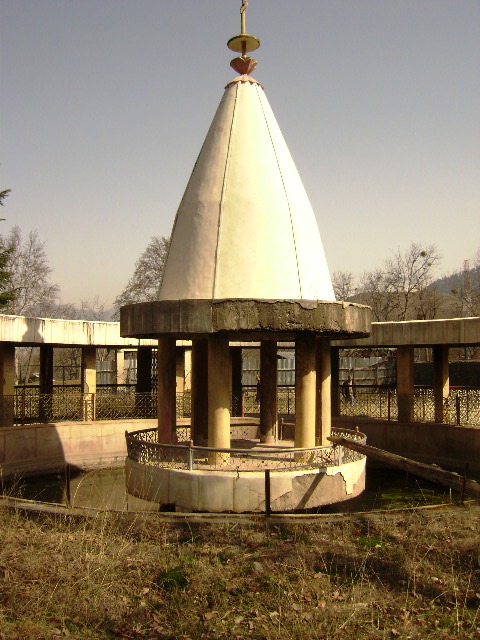
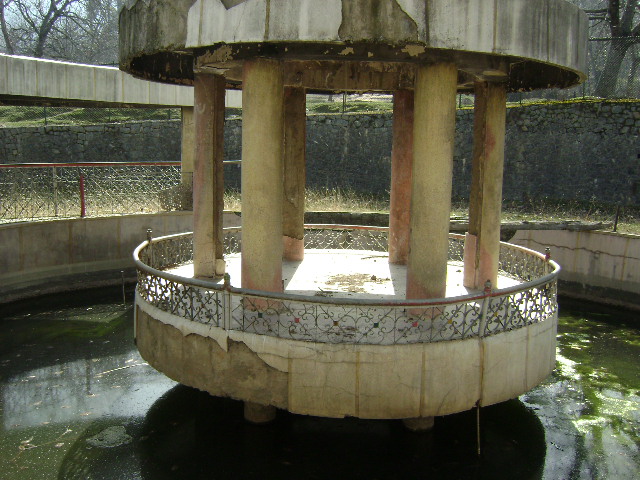
Brari Aangan - The Abode of Goddess Uma
|



Saturday, November 23, 2013
Datta Kshetra Surat
Leela
Vishwambara
Pujya Sri
Swamiji chose Surat Ashrama as the second Datta temple to visit in the
pilgrimage of visiting all Datta Kshetras established by Sri Swamiji.
Though the North Indian tour had been cancelled, Sri Swamiji chose to
visit Surat. Sri Swamiji arrived in Surat on Saturday the 2nd November
after halting for a night in Bangalore Ashrama on the 1st November. The
devotees in Surat eagerly awaited the arrival of Sri Swamiji to their
town. On the same evening, Sri Swamiji was given a reception in the evening
and the executive Trustee, Sri Goplani delightfully welcoming Sri Swamiji
in his Gujarati Speech explained the eagerness of devotees to have Sri
Swamiji's Darshan as over 12 months had elapsed since last visit of Sri
Swamiji. Sri Swamiji spoke about the proposed Datta Kshetra Yatra and
the plan to visit all Datta temples established by Sri Swamiji. Sri Swamiji visited houses of 10 devotees on the 3rd morning. Sri Chakra Puja was performed at 10 AM. In the evening Bhajans were sung by devotees and Sri Swamiji gave a discourse in a question answer format, clarifying the doubts that persisted. Click here for the text of the speech.
Sri Swamiji further visited 8 houses of devotees on 4th morning. As it was the day of Deepavali festival, Sri Swamiji's coming to the houses had immense importance to them. Later Sri Swamiji performed Sri Chakra Puja and Lakshmi Puja in the Ashrama. Devotees chanted Vishnu Sahasra Namam and in the evening after Dhan Lakshmi Puja, Sri Swamiji blessed assembled devotees with a rupee coin. In the evening devotees sparkled some fire crackers and Sri Swamiji joined them. Developmental plan of the Ashrama was shown to Sri Swamiji for approval.
5th November was the new year day for Gujarat. Sri Swamiji's presence and Darshan on this auspicious day brought much happiness to the hundreds of devotees who came to Ashrama and had Paduka Sparshan. (Touching of the Sacred Padukas). This was the year number 2059 - Vikram Samvat.
Sri Swamiji left for Bangalore at 12.30 PM and arrived in Bangalore at 3 PM after a brief halt in Mumbai airport for refueling.
Surat Ashrama is situated on Dumas road in the outskirts of the Surat city. But the fast growing city is encompassing Ashrama from all sides. The Ashrama has a distinctive Gujarati style architecture with Guru Nivasa in ground floor and the temple complex on the first floor. The temple has the main shrine of Dattatreya and Anagha Devi and has been given the Datta Nakshatra - LEELA VISHWAMBHARA. The temple was established in the year 1991 - on December 12th. The other shrines are Ganapati, Durgi, Karthikeya (Subramanya), Surya, Narayana, Shiva, Vishnu, Navagraha, Dakshinamurthy, Hanuman and a Naga shrine separately consecrated. The Shiva shrine was separately consecrated in the year 1997. All the shrines are on the first floor and are interconnected. There are two large Audumbara trees in the Ashrama. there is a Prayer Hall for Satsangs and devotee congregation and a dining hall and kitchen underneath the prayer hall. A Yaga Shala is there in front of the temple and priest quarters to the side of the temple complex.
River Tapti flows through the city of Surat. The city is situated on the rail link between Delhi and Mumbai. Most trains stop here. Gujarat state is famous for the city of Dwaraka (Lord Krishna), two Shiva Jyotirlinga Temples (Naageshwara and Soma Natha), Girnar is small hill which has an ancient Datta temple atop. Datta tradition is very popular and the great Dattatreya propagating Saint Vasudevananda Saraswati Swami hailed from Gujarat. Garudeshwar and Naareshwar are two other important Datta temple pilgrim sites. Sri Swamiji first visited Gujarat in 1988.
Photos from the tour...

The
banner welcoming Sri Swamiji

The
Surat Datta Temple (Ground floor has Guru Nilaya and Upstairs - the temple)
***

Sri
Swamiji performs Puja in Surat Ashrama
***
***

Leela
Viswambara Dattatreya idol in Surat Ashrama
***
***

The
temple inauguration stone plaque
***
***

Dattatreya
and Anagha Devi idols in the Datta Shrine - Surat Ashrama
***
***

Ganesha
Idol in Surat Ashrama
***
***

Narayana
***
***

Kartikeya
Swamy (Subramanya) idol
***

***
Durga
Maata idol
***
***

Hayagreeva
idol
***
***

Shiva
Linga
***
***

Hanuman
***
***

Navagraha
idols
***
***

The
Naaga mandir (Snake temple)
***
***

The
Serpent God
***
***

The
Sanskrit Shloka above Serpent temple
***
***

The
Arka Plant in Surat Ashrama
***
***

The
Prayer Hall from outside
***
***

The
interior of the Prayer Hall
***
***

Sri
Swamiji stands in the temple
***
***

Sri
Swamiji acceded the request of the devotees and cut a cake to celebrate
the 60th Birth Year of
Sri Swamiji
***
Sri Swamiji
***

Sri
Swamiji holds two sparklers on Deepavali festival
***
***

Shri
Goplani, Executive Trustee of Surat Ashrama
***
***

Trustees
of Surat Ashrama
***
***

Thursday, November 21, 2013
25 years on, Kashmiri Pandits remain refugees in their own nation
Today
marks 23 years since Jammu & Kashmir saw the beginning of the
ethnic cleansing of Kashmiri Pandits, the original inhabitants of Jammu
& Kashmir, from their homeland at the instigation of Pakistan's
Inter Services Intelligence by a group of Kashmiri jihadi elements who
were trained, armed and motivated by the ISI.
The lead in this act of ethnic cleansing was initially taken by the Jammu & Kashmir Liberation Front and the Hizbul Mujahideen. Other jihadi organisations, which subsequently came into existence after having been trained and armed by the ISI, kept the ethnic cleansing going till practically all the Kashmiri Pandits were driven out after having been subjected to numerous indignities and brutalities such as rape of women, torture, forcible seizure of property etc.
The Pandits, who survived these acts of indignities and brutalities, were forced to leave their homeland and seek shelter in camps for refugees set up in Jammu and Delhi. Within a few weeks of the outbreak of ethnic cleansing, a majority of Pandits found themselves reduced to the miserable status of refugees in their own country.
As the Pandits, their wives and children were subjected to indignities and brutalities and driven out of their homeland, the Indian State, totally caught by surprise, watched helplessly and pusillanimously, as the plans of the ISI to change the demographic composition of the Kashmir Valley in order to make it a predominantly Muslim area were sought to be implemented by the jihadis trained by the ISI.
Neither V P Singh, who was the prime minister when the ethnic cleansing was carried out, nor any of his successors had the least idea of how to deal with the situation. There were various options available. I will cite only two.
The first option was to direct the army to re-establish Indian sovereignty over Pakistan-occupied-Kashmir and Gilgit-Baltistan as a punitive measure. Pakistan had by then acquired military nuclear capability, but not a nuclear arsenal. It did not have a satisfactory delivery capability. We could have, therefore, easily retaken PoK and Gilgit-Baltistan without fear of provoking a nuclear war. The V P Singh government did not exercise this option.
The other option was to train and arm the Pandits and ask them to go back and reoccupy their property and fight against the ISI-trained jihadis. This option was carefully examined and given up as it was not advisable. There were legitimate fears that this option could polarise forever the relations between Muslims and Hindus and play into the hands of the jihadis who wanted such polarisation.
The option finally chosen was to look after the Pandits in refugee camps and other areas, where they had settled down with their relatives, and wait for the restoration of normalcy in the Valley so that these refugees could be helped to go back, re-establish their ownership of their property and resume a life of dignity as the residents of their traditional homeland.
The Pandits have been waiting for 23 years, hoping that the day of their return with honour and security to their homeland will come. It has not so far, despite the considerable improvement in the ground situation.
In the meanwhile, the plight of the Pandits has been slowly forgotten. Everybody sheds crocodile tears over their suffering, but there is nothing more by way of action. The future of the Pandits, as an important dimension of the Kashmir problem, is less and less talked about.
There was one man who spent his years of retirement in attempts to ensure that the promises made by the nation, to restore the honour and dignity of the Pandits, were not forgotten. He took a lively interest in their future and interacted vigorously with leaders of the government and opposition political parties to ensure that this dimension of the Kashmir problem was not forgotten.
His name was R N Kao. He was a Kashmiri and the legendary founding father of the Research & Analysis Wing. The Kashmir tragedy broke out five years after he retired from public service in 1984. From 1989 till his death in 2002, he devoted a lot of time to his self-assumed task of restoring the honour and dignity of the Pandits.
Since Kao's death in 2002, the Kashmiri Pandits find themselves orphaned. There is no one at the political or bureaucratic level who is prepared to come to the forefront, stick their neck out and demand action to restore the dignity and honour of the Pandits. Hopes that the Bharatiya Janata Party-led government would pay attention to the future of the Pandits were sadly belied. The BJP-led government was as confused and as inactive as any of the other governments that had held office since 1989.
How do we move forward on this issue? Two realities have to be kept in mind. Firstly, it is too late in the day to think of identifying and punishing those who were responsible for the ethnic cleansing. Any ill-advised attempt to do so would complicate the situation further.
Secondly, the return of the Pandits to their homeland cannot be enforced unilaterally by the governments of India and the state. It has to be the outcome of a consensus among different political parties of the state and leaders of different communities. The government of India has a moral responsibility for working towards such a consensus.
Presently, it has not been doing so. It should be made to do so through public pressure. It is time to stop meaningless breast-beating on the plight of the Pandits and their future. It is time to work for concrete ways of enabling their return to their homeland in dignity and honour. B Raman


The lead in this act of ethnic cleansing was initially taken by the Jammu & Kashmir Liberation Front and the Hizbul Mujahideen. Other jihadi organisations, which subsequently came into existence after having been trained and armed by the ISI, kept the ethnic cleansing going till practically all the Kashmiri Pandits were driven out after having been subjected to numerous indignities and brutalities such as rape of women, torture, forcible seizure of property etc.
The Pandits, who survived these acts of indignities and brutalities, were forced to leave their homeland and seek shelter in camps for refugees set up in Jammu and Delhi. Within a few weeks of the outbreak of ethnic cleansing, a majority of Pandits found themselves reduced to the miserable status of refugees in their own country.
As the Pandits, their wives and children were subjected to indignities and brutalities and driven out of their homeland, the Indian State, totally caught by surprise, watched helplessly and pusillanimously, as the plans of the ISI to change the demographic composition of the Kashmir Valley in order to make it a predominantly Muslim area were sought to be implemented by the jihadis trained by the ISI.
Neither V P Singh, who was the prime minister when the ethnic cleansing was carried out, nor any of his successors had the least idea of how to deal with the situation. There were various options available. I will cite only two.
The first option was to direct the army to re-establish Indian sovereignty over Pakistan-occupied-Kashmir and Gilgit-Baltistan as a punitive measure. Pakistan had by then acquired military nuclear capability, but not a nuclear arsenal. It did not have a satisfactory delivery capability. We could have, therefore, easily retaken PoK and Gilgit-Baltistan without fear of provoking a nuclear war. The V P Singh government did not exercise this option.
The other option was to train and arm the Pandits and ask them to go back and reoccupy their property and fight against the ISI-trained jihadis. This option was carefully examined and given up as it was not advisable. There were legitimate fears that this option could polarise forever the relations between Muslims and Hindus and play into the hands of the jihadis who wanted such polarisation.
The option finally chosen was to look after the Pandits in refugee camps and other areas, where they had settled down with their relatives, and wait for the restoration of normalcy in the Valley so that these refugees could be helped to go back, re-establish their ownership of their property and resume a life of dignity as the residents of their traditional homeland.
The Pandits have been waiting for 23 years, hoping that the day of their return with honour and security to their homeland will come. It has not so far, despite the considerable improvement in the ground situation.
In the meanwhile, the plight of the Pandits has been slowly forgotten. Everybody sheds crocodile tears over their suffering, but there is nothing more by way of action. The future of the Pandits, as an important dimension of the Kashmir problem, is less and less talked about.
There was one man who spent his years of retirement in attempts to ensure that the promises made by the nation, to restore the honour and dignity of the Pandits, were not forgotten. He took a lively interest in their future and interacted vigorously with leaders of the government and opposition political parties to ensure that this dimension of the Kashmir problem was not forgotten.
His name was R N Kao. He was a Kashmiri and the legendary founding father of the Research & Analysis Wing. The Kashmir tragedy broke out five years after he retired from public service in 1984. From 1989 till his death in 2002, he devoted a lot of time to his self-assumed task of restoring the honour and dignity of the Pandits.
Since Kao's death in 2002, the Kashmiri Pandits find themselves orphaned. There is no one at the political or bureaucratic level who is prepared to come to the forefront, stick their neck out and demand action to restore the dignity and honour of the Pandits. Hopes that the Bharatiya Janata Party-led government would pay attention to the future of the Pandits were sadly belied. The BJP-led government was as confused and as inactive as any of the other governments that had held office since 1989.
How do we move forward on this issue? Two realities have to be kept in mind. Firstly, it is too late in the day to think of identifying and punishing those who were responsible for the ethnic cleansing. Any ill-advised attempt to do so would complicate the situation further.
Secondly, the return of the Pandits to their homeland cannot be enforced unilaterally by the governments of India and the state. It has to be the outcome of a consensus among different political parties of the state and leaders of different communities. The government of India has a moral responsibility for working towards such a consensus.
Presently, it has not been doing so. It should be made to do so through public pressure. It is time to stop meaningless breast-beating on the plight of the Pandits and their future. It is time to work for concrete ways of enabling their return to their homeland in dignity and honour. B Raman


Subscribe to:
Posts (Atom)