DYING AS HE LIVED: PLAYING ON THE FRONT
FOOT
BY
Col Tej K Tikoo, Ph.D.
If
one were to choose the first family of the Jammu and Kashmir State’s
cricket fraternity, the Tikoo family of Khankah-e-Sokhta, Nawa Kadal,
would win hands down. The father and patriarch of the family, Sh Ram
Chand Tikoo, fondly known as Ramjoo, still holds the record of being the
oldest ever cricketer to have played Ranji Trophy tournament, the
nation’s premier cricket championship. He was 53 when he represented the
State in 1959-60 season; what is even more significant is the fact that
being a fast bowler, he opened the bowling attack with a new ball. This
record is unlikely to be broken any time soon. During the same season,
in which the State cricket team played in this tournament for the first
time, the family created another record; it became the only family whose
father-son duo (son being Girdhari Tikoo) played in the same tournament
together. Another feather in the sporting cap of the family was that
besides the father, two of the four sons of Ramjoo, played for the State
cricket team in the Ranji Trophy tournament, at varying times; eldest,
Prithvi Nath, popularly called Gasha, and Girdhari Tikoo, a prominent
cricketer, first qualified cricket coach of India and a well known
sports administrator, being the younger sibling.

Sh Ramchand Tikoo being honoured by Governor Jagmohan on 15 Aug, 1987, at Emporium Garden, Srinagar, for his contribution to the State’s Cricket
As a young cricketer, Sh. Ramchand Tikoo had
formed a cricket team, called the Kashmir Cricket Club, (KCC) which he had got registered
in 1930. It was, perhaps, the only team that was registered with the Registrar
of Societies (cricket teams formed later, were required to only affiliate
themselves with the Jammu and Kashmir Cricket Association). In Kashmir’s
cricket club fraternity, KCC was a prominent team, boasting of some of the best
cricketers of the State. The team was, however, totally identified with the
Tikoo family. Besides the father and two State players, Prithvi and Gidhari,
the other two sons of Ramjoo, Avtar and Roshan, too played for the team. Being
comprised of players from down-town Srinagar, KCC mostly carried out net practice
at Eidgah, which became its Karam Bhoomi.
Being pioneers in spreading the
cricket culture among the youth of the area, mostly inhabited by the Muslims,
the Tikoo family was well respected, particularly their father, Sh Ramjoo.
Prithvi, aka, Gasha, was a bold cricketer who would volunteer to face the
fastest of the opening bowlers, without a wink, when the regular openers were
hesitant to do so. He was an aggressive cricketer, a great motivator and a
never- say- die player, who refused to concede defeat till the very last ball.
If Sh. Ramjoo was the patriarch of the family, Gasha was certainly the
patriarch of KCC. He groomed and helped many cricketers, mostly from the Muslim
community, who were to become prominent
faces of the game in the state, in the years to come. As the craze for cricket
spread among the youth, Gasha became a well known face, not so much because of
his cricketing abilities, but because of his helpful nature, leadership
qualities, organizing abilities and his rapport with the local youth. He was
forthright and had a devil- may- care attitude; precisely the qualities that
young cricketers, particularly the Muslim youth of the area, admired in him.
In eighties, as the political
situation started changing in the Valley and Kashmiri Pandit’s religion became
the overriding factor in determining his Muslim friends’ and admirers’
relationship with him, Prithvi Nath saw his many friends now becoming less
enthusiastic in their attitude towards him. Nevertheless, he continued to play
a leadership role within his mohalla,
voicing the concerns of both the Muslims, who were more numerous, and Bhattas,
consistently. After the brutal assassination of Tika Lal Taploo, it was
apparent that down town Srinagar, particularly Khankah-e-Sokhta and the areas
adjoining it, had turned their backs on the Pandits. For the latter, the place
gradually became uninhabitable.
In Oct 1989, Prithvi Nath
solemnized the marriage of his children at Srinagar, after which most of the
relations left for Jammu and other places outside the State. Among them were
those posted at Jammu and Prithvi Nath’s
parents and his wife, who would normally shift to Jammu in winter to avoid the
intense cold of the Valley. Prithvi Nath, however, continued to stay back. As
winter set in, he noticed a great change overtaking even his close Muslim
friends, whose trust and confidence he had always enjoyed. They became less
enthusiastic in their attitude towards him. In the meanwhile, every day brought
news of Bhattas getting killed in
some part of Srinagar or far corners of the Valley. But Gasha was confident of
his safety because of the trust he reposed in his Muslim friends. Besides, the
very thought of fleeing from the Valley out of fear was abhorrent to him.
In early May 1990, Prithvi Nath decided
to visit Jammu to meet his siblings and his larger family there. After staying
there for a couple of days, he decided to return to Srinagar. With the
situation in the Valley going from bad to worse and killings of Bhattas now increasing by the day, all
members of the Tikoo clan felt that for their elder brother to return to their
own home in Kashmir, was not a wise thing to do. However, one fine morning,
despite protestations of every one at home, he picked up his bags and left for
his Maej Kashir; his wife following
in tow. When his relations warned him
of the dangers there, he turned round and said, “I was born in Kashmir, I have
lived in Kashmir all my life, all my friends are there; if I have to die, I
might as well die there.”
As would be known to most of us, down
town Srinagar was truly a hot-bed of militant activity when insurgency broke
out in late eighties. Militants were keen to see him leave as that would have
ensured that other twenty odd families, still continuing to live in the Mohalla, would follow suit. Forcing
Prithvi Nath to leave was, therefore, an important element of their plan to
cleanse this part of the Valley of Bhattas.
Often he received threats; some
veiled and some open. But he continued to trust his close Muslim friends as far
as his own safety was concerned.
By the end of May 1990, when the
third wave of our community had fled across the Pir Panjal Range and the increasing
bloodshed of our own community members had reached an unprecedented levels, it
needed enormous courage on the part of any
Bhatta to stick on in a place as dangerous as khankah-e-Sokhta. But Prithvi
Nath was not an ordinary Bhatta and
he continued to stay on. What is even more significant, the other Bhatta families living in the mohalla , too decided to stay on in
solidarity with Prithvi Nath. Drawing inspiration from Gasha, they continued
to cling to their place which had been their home for as long as they or their
ancestors could remember. By now, it had become quite clear to the militants
that as long as Prithvi Nath stayed on in his house, the other Bhatta families were unlikely to flee.
In the existing circumstances prevailing in the Valley, it was an eye sore that
militants could ill afford to overlook.
In the meanwhile, undeterred by the
looming danger surrounding them all
around, Prithvi Nath and his wife, continued
with their routine, which included an early morning visits to the temples close
by. Despite the worsening situation in the Valley in general and in
Khanka-e-Sokhta in particular, all remaining Bhatta families there remained steadfast in their resolve to rough
it out with Gasha, who, by now, had become a symbol of defiance in the face of
extremely heavy odds. In the beginning
of June, 1990, his close friends warned him that his continued stay in Srinagar
was no longer safe anymore. Around the same time, the local SHO of
Khanka-e-Sokhta met Prithvi Nath and requested him to leave at the earliest as
he felt gravely apprehensive about his safety. But Prithvi Nath reminded him
that he belonged here and he would prefer to die here rather than run away.
May and June 1990, were
particularly difficult months for our community in the Valley. The number of
killings of Pandits registered a huge increase, as did the barbarity of the
methods employed to assassinate them. Prithvi Nath’s relations at Jammu were
getting terribly worried and concerned about the safety and welfare of their
elder brother in Kashmir.
Sometime in the third week of June
1990, a Shii boy belonging to Khanka-e-Sokhta , was killed in cross-firing
between the militants and the police near SMHS Hospital in Karan Nagar. Huge
protests erupted in Khanka-e-Sokhta, thereafter. The protestors repeatedly shouted,
“Khoon ka badla khoon se lenge”. The
message was ominous.
On 23 June 1990, Sh Girdhari Tikoo,
Prithvi Nath’s younger brother at Jammu, tuned to Radio Jammu, to listen to
Gujjar News, as a matter of routine. While reporting on the situation in the
Valley, he heard his brother’s name being mentioned. He tried to listen in again…..
Yes, he had heard it right! It was 4.30 P.M. Without wasting any time, he rang
up the then Divisional Commissioner and requested him to confirm what he,
Girdhari, had heard. After some time, what appeared to be an eternity, the former
confirmed the news.
On that fateful day, Prithvi Nath’s
wife, as usual, had left to visit the local Mandir
early in the morning. After sometime, Prithvi Nath, without waiting for his
wife to return, as was his wont, too had left his home after handing over the
keys to the Guir. After walking a few
meters, the militants (no one knows the number) had sprayed bullets into him.
He lay there crumpled, but still alive, when the police landed up at the spot,
very close to his home. He was rushed to the hospital where he breathed his last.
He was 55 years old.
After Prithvi Nath’s wife returned from
the temple, she was handed over the keys of her house by the Guir. It was much later that she learnt
about brutal assassination of her husband. Sh Prithvi Nath’s Dah Sanskar was performed by the police.
After a couple of days, his wife
carried his ashes back to Jammu.
 This note has the year of printing clearly printed in the middle of the bottom row on the backside.
 This note has the year of printing clearly printed in the middle of the bottom row on the backside.
 An old (pre-2005) note without the year of printing. (RBI website)


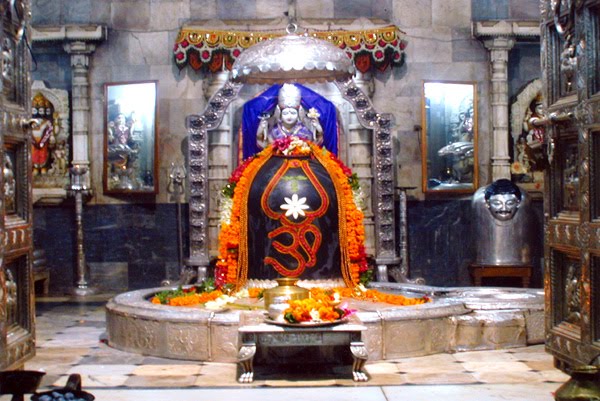 Mallikarjuna Jyotirlinga:
Sri Mallikarjuna Swamy Temple is located at Srisailam in Nallamala
hills of Andhra Pradesh. The temple is situated in the town of Srisailam
near the banks of Krishna river. Mallikarjun Jyotirlinga is one of the
greatest shrines in
Mallikarjuna Jyotirlinga:
Sri Mallikarjuna Swamy Temple is located at Srisailam in Nallamala
hills of Andhra Pradesh. The temple is situated in the town of Srisailam
near the banks of Krishna river. Mallikarjun Jyotirlinga is one of the
greatest shrines in 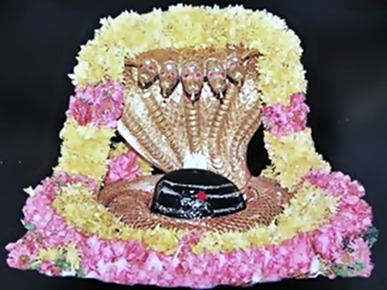 Mahakaleshwar Jyotirlinga: The most famous Mahakaleshwar Hindu temples is situated in the holy and
 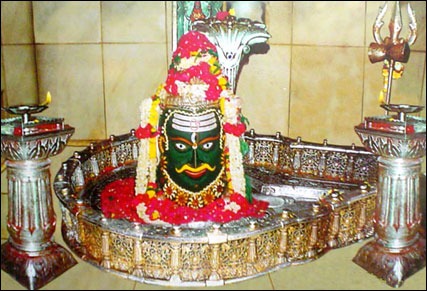 Omkareshwar Jyotirlinga:
Omkareshwar is a famous Jyotirlinga temple located is a holy island of
Shivpuri in Maheshwar, Madhay Pradesh. This holy shrine of Lord Shiva is
located at the convergence of Kaveri and holy
Omkareshwar Jyotirlinga:
Omkareshwar is a famous Jyotirlinga temple located is a holy island of
Shivpuri in Maheshwar, Madhay Pradesh. This holy shrine of Lord Shiva is
located at the convergence of Kaveri and holy 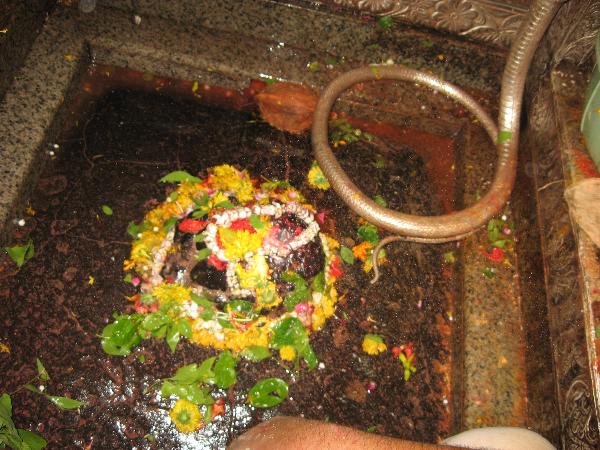 Kedarnath Jyotirlinga:
The kedarnath jyotirlinga temple,one of the holiest Hindu temples
dedicated to Lord Shiva is located in Uttarakhand. The holiest
pilgrimages for the devout Hindu is situated at the head end of the
River Mandakini in the Garhwal Himalayas. Kedarnath temple is not
directly accessible by road,a 14 km uphill trek from Gaurikund has to be
cross to be reached here. The Temple is one of the four major sites in
India’s known as
Kedarnath Jyotirlinga:
The kedarnath jyotirlinga temple,one of the holiest Hindu temples
dedicated to Lord Shiva is located in Uttarakhand. The holiest
pilgrimages for the devout Hindu is situated at the head end of the
River Mandakini in the Garhwal Himalayas. Kedarnath temple is not
directly accessible by road,a 14 km uphill trek from Gaurikund has to be
cross to be reached here. The Temple is one of the four major sites in
India’s known as 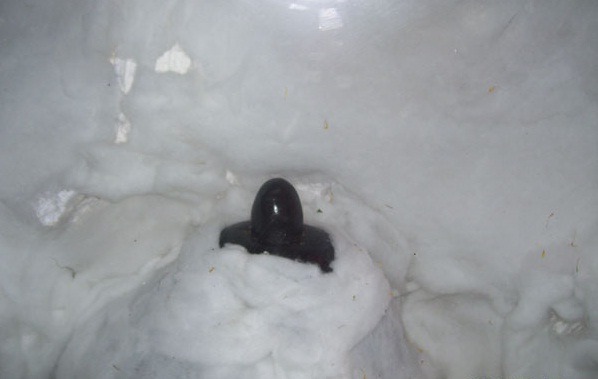 Bhimashankar Jyotirlinga: Bhimashankar Temple Jyotirlinga is situated in the
 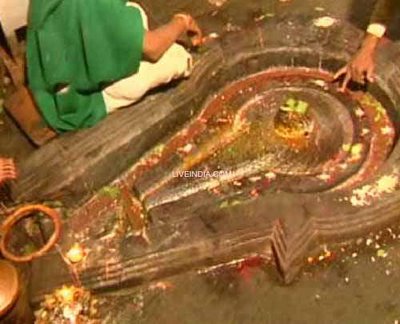 Vishwanath Jyotirlinga: Kashi Vishwanath JyotirLinga temple is located in the
 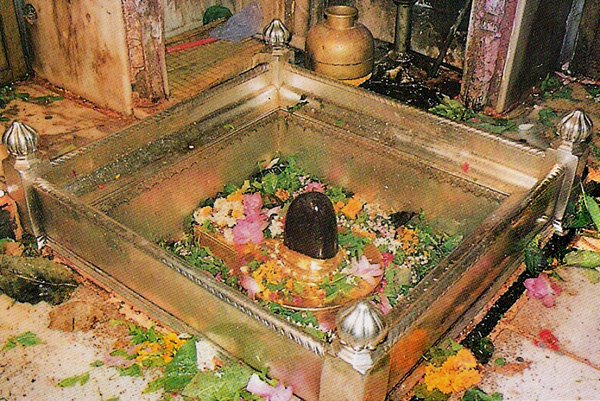 Trimbakeshwar Jyotirlinga: The Trimbakeshwar Jyotirlinga is located at the source of the
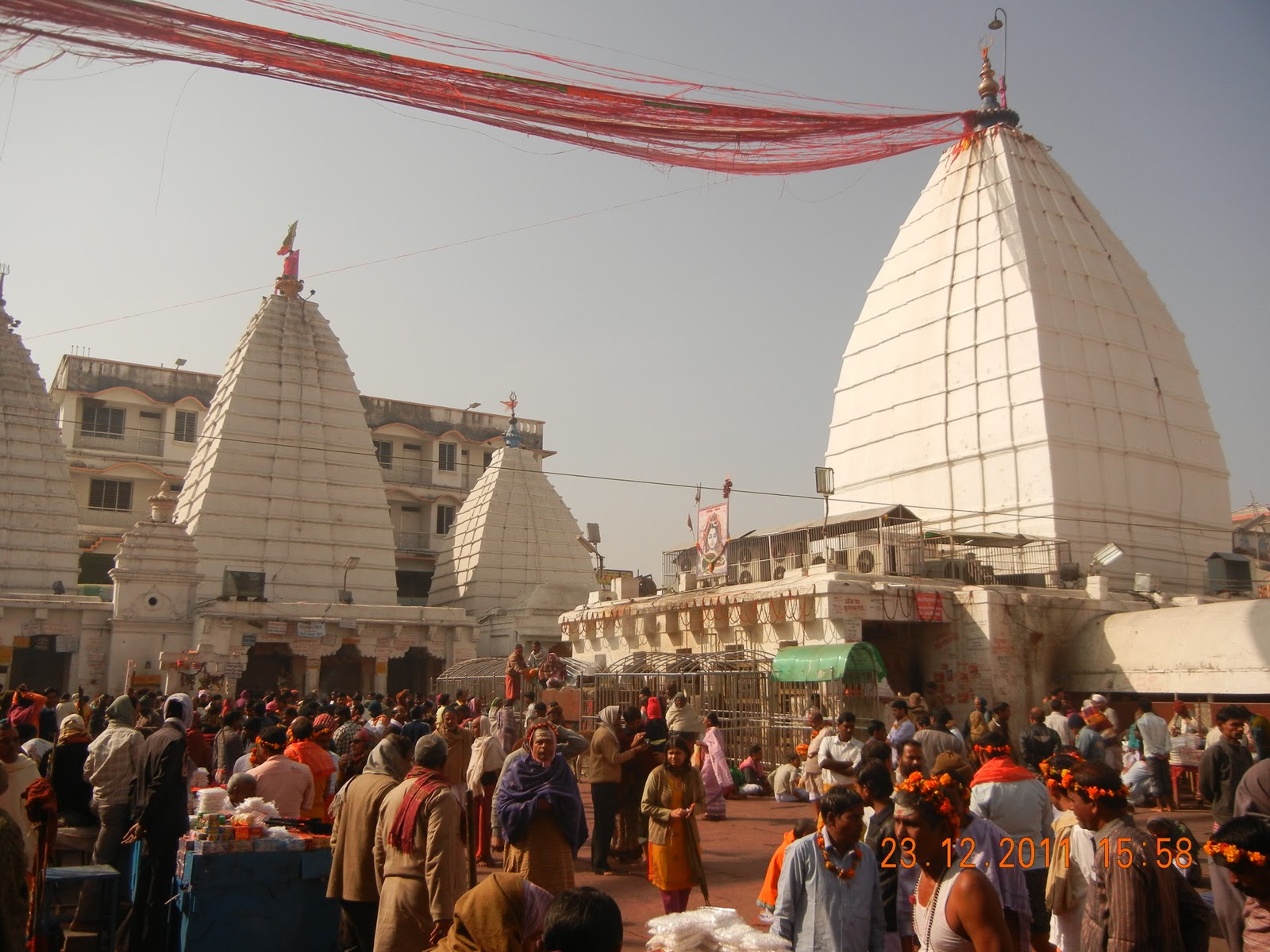
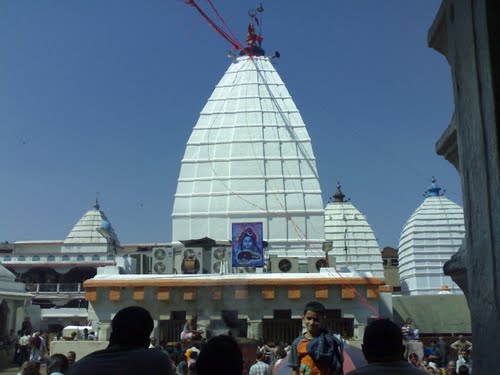
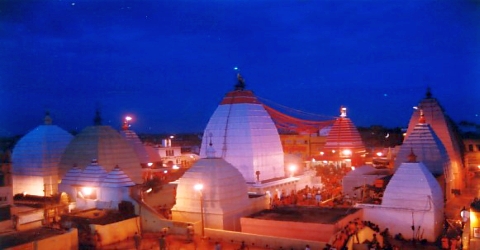
 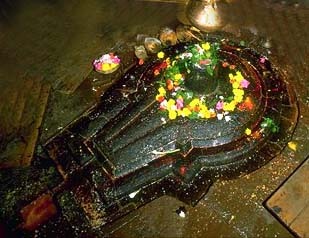 Baidyanath Jyotirlinga:
The Baidyanath dham also known as Baba dham is the most sacred abodes
of Shiva. One of the twelve Jyotirlingas is located in Deoghar in the
tribal state of Jharkhand. Baba Dham temple located where the heart of
Bhagwati Sati had fallen, so this place is also referred as
Baidyanath Jyotirlinga:
The Baidyanath dham also known as Baba dham is the most sacred abodes
of Shiva. One of the twelve Jyotirlingas is located in Deoghar in the
tribal state of Jharkhand. Baba Dham temple located where the heart of
Bhagwati Sati had fallen, so this place is also referred as 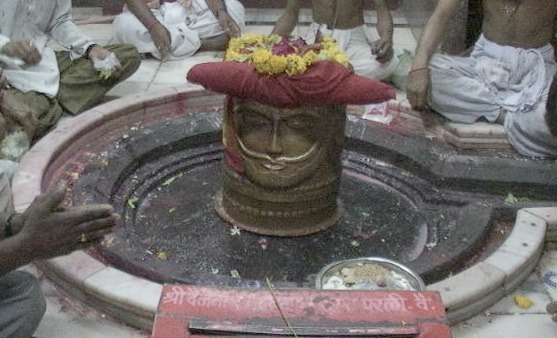 Nageshwar Jyotirlinga: The
Nageshwar Jyotirlinga is believed as the first Jyotirlinga on the
earth. The great Nageshwar Jyotirlinga is located near Dwarka, in the
Gujarat state of India. Nageshvara Jyotirlinga is one of the 12
Jyotirlinga shrines of
Nageshwar Jyotirlinga: The
Nageshwar Jyotirlinga is believed as the first Jyotirlinga on the
earth. The great Nageshwar Jyotirlinga is located near Dwarka, in the
Gujarat state of India. Nageshvara Jyotirlinga is one of the 12
Jyotirlinga shrines of 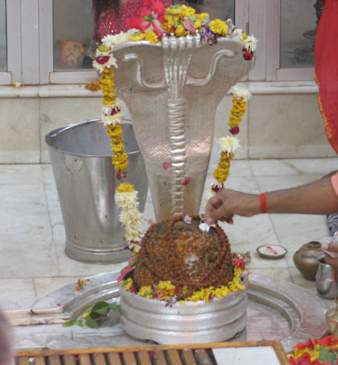 Rameshwaram Jyotirlinga:
Rameshwaram is a religious town located in the state of Tamil Nadu. The
Rameshwaram temple is dedicated to the Hindu god Lord Shiva and its one
of the 12 famous Jyotirlingas of Lord Shiva. Amongst the 12 Lord Shiva
Jyotirlinga, Rameshwaram is one of the most sacred shrines of Hindus in
India. This place is one of the holiest places in India to Hindus and
part of the
Rameshwaram Jyotirlinga:
Rameshwaram is a religious town located in the state of Tamil Nadu. The
Rameshwaram temple is dedicated to the Hindu god Lord Shiva and its one
of the 12 famous Jyotirlingas of Lord Shiva. Amongst the 12 Lord Shiva
Jyotirlinga, Rameshwaram is one of the most sacred shrines of Hindus in
India. This place is one of the holiest places in India to Hindus and
part of the 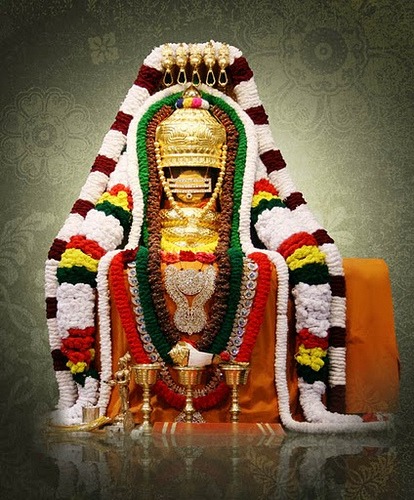 Grishneshwar Jyotirlinga:
The Grishneshwar Jyotirlinga temple is placed at a close distance of
about 11 km from Daulatabad in the neighborhood of Aurangabad in
Maharashtra. Grishneshwar temple is a famous Hindu temple dedicated to
Lord Shiva and near to rock-cut
Grishneshwar Jyotirlinga:
The Grishneshwar Jyotirlinga temple is placed at a close distance of
about 11 km from Daulatabad in the neighborhood of Aurangabad in
Maharashtra. Grishneshwar temple is a famous Hindu temple dedicated to
Lord Shiva and near to rock-cut