Tuesday, October 18, 2016

Karva Chauth

Karva Chauth
Karva Chauth (Hindi: करवा चौथ) is a one-day festival celebrated by Hindu women in many countries in which married women fast from sunrise to moonrise for the safety and longevity of their husbands. The fast is traditionally celebrated in the states of Madhya Pradesh, Rajasthan, parts of Uttar Pradesh, Himachal Pradesh, Haryana, and Punjab. The festival falls on the fourth day after the full moon, in the Hindu lunisolar calendar month of Kartik. Sometimes, unmarried women join the fast for their fiancés or desired husbands.
A similar festival known as Chhath is observed in Chhattisgarh, Madhya Pradesh, Jharkhand and western Bihar. In Sindh, Teej is celebrated in the same style`.
Karva is another word for 'pot' (a small earthen pot of water) and chauth means 'fourth' in Hindi (a reference to the fact that the festival falls on the fourth day of the dark-fortnight, or krishna paksh, of the month of Kartik). The festival originated and came to be celebrated only in the northwestern part of the Indian subcontinent. One hypothesis is that military campaigns were often conducted by men in far off places whereby men would often leave their wives and children to go off to war. Their wives would often pray for their safe return. The festival also coincides with the wheat-sowing time (i.e., the beginning of the Rabi crop cycle). Big earthen pots in which wheat is stored are sometimes called Karvas, so the fast may have begun as a prayer for a good harvest in this predominantly wheat-eating region.
There is another story about the origin of this festival. Earlier, girls sometimes barely teenagers used to get married, go and live with their in-laws in very remote villages. Everyone would be a stranger there for the new bride. In case she had any problems with her husband or in-laws, she would have no one to talk to or seek support from. Her own parents and relatives would be quite far and unreachable. Telephones, buses and trains were not heard of in those days. People had to walk almost a whole day to go from one place to other. Once the girl left her parent's home for in-laws, she might not be back before long. Thus the custom started that, at the time of marriage, when bride would reach her in-laws, she would befriend another woman there who would be her friend (kangan-saheli) or sister (dharam-behn) for life. It would be similar to god-friends or god-sisters.
Their friendship would be sanctified through a small Hindu ceremony right during the marriage. The bride's friend would usually be of the same age (or slightly older), married into the same village (so that she would not go away) and not directly related to her in-laws (so there was no conflict of interest later).
Emotionally and psychologically, it would be very healthy and comforting for the bride to have her own 'relative' near her.Once the bride and this woman had become god-friends or god-sisters, they would recognize their relation as such. They would treat each other like real sisters. During any issues later in life, involving even the husband or in-laws, these women would be able to confidently talk or seek help from each other. Moreover, the bride's parents would treat her friend just like their own daughter. Thus Karva Chauth started as a festival to celebrate this special bond of friendship between the brides and their god-friends. A few days before Karva Chauth, married women would buy new karvas (spherical clay pots) -- 7"-9" in diameter and 2-3 litres capacity—and paint them on the outside with beautiful designs. Inside they would put bangles and ribbons, home-made candy and sweets, make-up items, and small clothes. The women would then visit each other on the day of Karva Chauth and exchange these karvas.
The fasting women collectively sitting in a circle, while doing Karva Chauth puja, singing song while performing the feris (passing their thalis around in the circle)
The fasting women after performing the Karva Chauth puja, while offering water towards sun (arka)
Women begin preparing for Karva Chauth a few days in advance, by buying cosmetics (shringar), traditional adornments or jewelry, and puja items, such as the Karva lamps, matthi, henna and the decorated puja thali (plate). Local bazaars take on a festive look as shopkeepers put their Karva Chauth related products on display. On the day of the fast, women from Punjab awake to eat and drink just before sunrise. In Uttar Pradesh, celebrants eat soot feni with milk in sugar on the eve of the festival. It is said that this helps them go without water the next day. In Punjab, sargi (ਸਰਗੀ) is an important part of this pre-dawn meal and always includes fenia. It is traditional for the sargi to be sent or given to the woman by her mother-in-law. If the mother-in-law lives with the woman, the pre-dawn meal is prepared by the mother-in-law.
The fast begins with dawn. Fasting women do not eat during the day. In traditional observances of the fast, the fasting woman does no housework. Women apply henna and other cosmetics to themselves and each other. The day passes in meeting friends and relatives. In some regions, it is customary to give and exchange painted clay pots filled with put bangles, ribbons, home-made candy, cosmetics and small cloth items (e.g., handkerchiefs). Since Karva Chauth follows soon after the Kharif crop harvest in the rural areas, it is a good time for community festivities and gift exchanges. Parents often send gifts to their married daughters and their children.
In the evening, a community women-only ceremony is held. Participants dress in fine clothing and wear jewellery and henna, and (in some regions) dress in the complete finery of their wedding dresses. The dresses (saris or shalwars) are frequently red, gold or orange, which are considered auspicious colors.[15] In Uttar Pradesh, women wear saris or lehangas. The fasters sit in a circle with their puja thalis. Depending on region and community, a version of the story of Karva Chauth is narrated, with regular pauses. The storyteller is usually an older woman or a priest, if one is present.] In the pauses, the Karva Chauth puja song is sung collectively the singers perform the feris (passing their thalis around in the circle).
The first six describe some of the activities that are taboo during the fast and the seventh describes the lifting of those restrictions with the conclusion of the fast. The forbidden activities include weaving cloth (kumbh chrakhra feri naa), pleading with or attempting to please anyone (ruthda maniyen naa), and awakening anyone who is asleep (suthra jagayeen naa). For the first six feris they sing
“ ...Veero kudiye Karvara, Sarv suhagan Karvara, Aye katti naya teri naa, Kumbh chrakhra feri naa, Aar pair payeen naa, Ruthda maniyen naa, Suthra jagayeen naa, Ve veero kuriye Karvara, Ve sarv suhagan Karvara... ”
For the seventh feri, they sing
“ ...Veero kudiye Karvara, Sarv suhagan Karvara, Aye katti naya teri nee, Kumbh chrakhra feri bhee, Aar pair payeen bhee, Ruthda maniyen bhee, Suthra jagayeen bhee, Ve veero kuriye Karvara, Ve sarv suhagan Karvara... ”
In Uttar Pradesh and Rajasthan, participants exchange Karvas seven times between themselves. In Rajasthan, before offering water seven times the fasting woman is asked "Dhapi ki Ni Dhapi?" (are you satiated?), to which she responds, "Jal se Dhapi, Suhaag se na Dhapi" (I am satiated by water, but not from [love of] my husband). An alternative ritual conducted by Uttar Pradeshis is prayer of "gaur mata" the earth. Specifically, celebrants will take a bit of soil, sprinkle water, and then place kumkum on it, treating it as an idol/manifestation of the fertile Mother Earth.[citation needed] In Rajasthan, stories are told by older women in the family, including narratives of Karva Chauth, Shiv, Parvati and Ganesh. In earlier times, an idol of Gaur Mata was made using earth and cow dung, which has now been replaced with an idol of Parvati. Each fasting woman lights an earthen lamp in her thali while listening to the Karva story. Sindoor, incense sticks and rice are also kept in the thali.
In Uttar Pradesh, a priest or an elderly woman of the family narrates the story of beejabeti or Veervati. Celebrants make Gauri, Ganesh and Shankar idols with mud and decorate them with colourful and bright clothes and jewellery. While exchanging Karvas seven times, they sing
“ ...Sadaa suhagan karve lo, Pati ki pyari karve lo, Saat bhaiyon ke behen karve lo, Vart karni karve lo, Saas ki pyaari karve lo... ”
Thereafter, the fasters offer baayna (a melange of goodies like halwa, puri, namkeen mathri, meethi mathri, etc.) to the idols (mansana) and hand over to their mother-in-law or sister-in-law.
The fera ceremony concluded, the women await the rising of the moon. Once the moon is visible, depending on the region and community, it is customary for a fasting woman, with her husband nearby, to view its reflection in a vessel filled with water, through a sieve, or through the cloth of a dupatta. Water is offered (arka) to the moon (som or chandra, the lunar deity) to secure its blessings. She then turns to her husband and views his face indirectly in the same manner. In some regions, the woman says a brief prayer asking for her husband's life. It is believed that at this stage, spiritually strengthened by her fast, the woman can successfully confront and defeat death (personified by Yama). In Rajasthan the women say "Like the gold necklace and the pearl bracelet, just like the moon may my suhaag always shine brightly."
The husband now takes the water from the thali and gives his wife her first sip and feeds her with the first morsel of the day (usually something sweet). The fast is now broken, and the woman has a complete meal.
In modern North India and Northwestern India society, Karva Chauth is considered to be a romantic festival, symbolizing the love between a husband and wife. It has been celebrated in Bollywood movies such as Dilwale Dulhania Le Jayenge, where an unmarried woman signals her love for a man by keeping the fast for him and he reciprocates by secretly fasting as a gesture of empathy, as well as demonstrating his concern for her during the day and breaking her fast by feeding her at moonrise, and Baghban, in which a man persuades his elderly fasting wife to break her fast over the telephone because they have been separated by their uncaring children. News coverage of celebrities sometimes highlights the keeping of the fast by an unmarried public figure because it indicates a strong and likely permanent romantic attachment .Similar to Valentine's Day, the lack of a romantic partner can acutely be felt by unattached women.The festival is used extensively in advertising campaigns in the region, for instance in a Chevrolet TV spot in which a man demonstrates his caring for his wife by buying a car with a sunroof so he can drive her around on Karva Chauth night until she spots the moon through it.
Since Karva Chauth is celebrated primarily by women (men are entirely excluded from the festival's observances until moonrise, though they are expected to demonstrate attention and concern for their fasting wives) and because beauty rituals and dressing-up are a significant part of the day, the festival is seen as an event that bonds women together. In the present day, groups of unmarried women sometimes keep the fast out of a sense of friendship, though this practice is far from universal.This is especially true in the urban areas of North India and Northwestern India is interpreted as a prayer for a loving husband in the future.Another trend in the northern urban areas is the spreading of the festival's observance to women originating in communities and regions (such as Bengal and Maharashtra) that have not traditionally celebrated Karva Chauth or even been aware of the festival's existence The same is true for Gujarat.
The festival has been criticized as being inherently sexist by some because there is no reciprocal fasting by males and called uplifting for women by others. There have been calls to modify or eliminate the festival by commentators who hold it to be "anti-women" and to "perpetuate the notion of women's dependence on men."Karva chauth has been cited as a symbol of cultural repression of women by some Indian feminists, such as Madhu Kishwar who has put it in the same class as "Khomeinivad" (i.e., pushing women into position of subservience to their husbands, similar to the family structure allegedly favored by Ayatollah Khomeini). Other feminists, however, have called the festival empowering for women because Karva Chauth enables them to quit housework completely for the day and expect gifts from their husbands.Some writers have asserted that such "rituals work insidiously" to create "an instrument of social control" that oppresses women and that the even greater popularity of Karva Chauth among urban, educated participants raises the question of "which is the greater barrier to women's liberation: religion or the market .
A beautiful queen called Veervati was the only sister of seven loving brothers. She spent her first Karva Chauth as a married woman at her parents' house. She began a strict fast after sunrise but, by evening, was desperately waiting for the moonrise as she suffered severe thirst and hunger. Her seven brothers couldn't bear to see their sister in such distress and created a mirror in a pipal tree that made it look as though the moon had risen. The sister mistook it for the moon and broke her fast. The moment she ate, word arrived that her husband, the king, was dead. Heartbroken, she wept through the night until her shakti compelled a Goddess to appear and ask why she cried. When the queen explained her distress, the Goddess revealed how she had been tricked by her brothers and instructed her to repeat the Karva Chauth fast with complete devotion. When Veervati repeated the fast, Yama was forced to restore her husband to life.
In a variant of this story, the brothers build a massive fire behind a mountain instead and trick their sister by convincing her that the glow is the moon. She breaks her fast and word arrives that her beloved husband has died. She immediately begins running to her husband's house, which is somewhat distant, and is intercepted by Shiva-Parvati. Parvati reveals the trickery to her, cuts her own little finger to give the wife a few drops of her holy blood, and instructs her to be careful in keeping the complete fast in the future. The wife sprinkles Parvati's blood on her dead husband and, coming back to life, they are reunited.
The Legend of Mahabharata
The belief in this fast and its associated rituals goes back to the pre-Mahabharata times. Draupadi, too, is said to have observed this fast. Once Arjun went to the Nilgiris for penance and the rest of the Pandavas faced many problems in his absence. Draupadi, out of desperation, remembered Lord Krishna and asked for help. Lord Krishna reminded her that on an earlier occasion, when Goddess Parvati had sought Lord Shiva's guidance under similar circumstances, she had been advised to observe the fast of Karva Chauth. In some tellings of this legend, Shiva tells Parvati the story of Veervati to describe the Karva Chauth fast. Draupadi followed the instructions and observed the fast with all its rituals. Consequently, the Pandavas were able to overcome their problems
The Story of Satyavan and Savitri
When Lord Yama came to procure Satyavan's soul, Savitri begged him to grant him life. When he refused, she stopped eating and drinking and followed Yama who carried away her dead husband. Yama said that she could ask for any other boon except for the life of her husband. Savitri asked that she be blessed with children. Yama agreed. Being a "'Pati-Vrat'" (devoted) wife, Savitri would never let any other man be the father of her children. Yama was left with no other choice but to restore Savitri's husband to life.


Monday, October 17, 2016

Akanandun


S. L. SADHU


Akanandun
LONG long ago there lived a king. His principality comprised seven towns and his capital was called Rajapuri. He was a kind and conscientious ruler and dispensed justice with an even hand to high and low alike. He maintained peace and his subjects lived happy and content under him. He was a god-fearing man and his subjects held him in reverence as their father. He punished with a severe hand all those who dared to trouble his subjects in the least. He took measures for the welfare even of the birds and animals living in his country. Ponds were dug to store drinking water for the quadrupeds and troughs were placed on perches to enable birds to quench their thirst. In all this he was assisted by able, honest and hardworking ministers.
His subjects had but one longing and that was for the birth of an heir-apparent. The king had but one queen who had borne him seven daughters. The king and the queen were highly devoted to each other but craved for the birth of a little brother to the seven sisters to gladden the hearts of the subjects and their own. The Prince would shoulder the responsibilities of the kingdom in time to come. Even his subjects begged God Almighty in their matins and vespers to grant their ruler the gift of a little son, and the royal couple did all in their power to secure such a coveted fruit. They gave lavishly in charity which included gifts of land, garments, corn, livestock and gold. Holy men from far and near came to Rajapuri to give their benedictions to the queen who also met the expenses on the weddings of many destitute girls and the maintenance of orphans and widows. Still the heir-apparent of their dreams was as far away as ever.
The king except when busy with the affairs of the State was always melancholy. "What good is it for me to rejoice in my palace," he would brood, "when the line of my illustrious ancestors will come to an end with my demise? Happy are the poor beggars in my kingdom who look forward to the day when their sons can relieve them of their burdens.... Were it not better for me to renounce my throne and take to the life of an ascetic in the forests of the vast Himalayas or in the cave of Shri Amarnath Ji. . . ?" He did not reveal this corner of his heart to his consort lest she feel hurt. She, however, had not given up hope and retained faith in holy men and ascetics.
One day the queen was sitting as usual in her chamber when she was startled by a call for alms. It was nothing new for her who satisfied hundreds of such calls every month, but this time there was a peculiar lure and a strange tone in the voice of the caller which demanded the personal attention of the queen. She at once 'rushed to the courtyard. She beheld a jogi invested in an expression of ecstasy. He had long locks of curly hair running down to his back, his bare body was smeared with ashes and he had a clattering wooden sandal under his feet. He had rings in his ears and his eyes were sparkling. He carried a beggar's bowl in his hand and a wallet hung from his shoulder. The queen requested him to name what would please him.
"Give me anything in the name of God," replied the jogi. The queen told her consort that the jogi was the very person whose aid should be enlisted in seeking fulfilment of the age-long craving. She gave him a handful of precious stones which he received in his wallet. The queen explained to him how she was pining for a son. She said, "God gave us a kingdom to rule and many rulers acclaim our suzerainty. But what is the good of all this splendour when we have no male issue to look after it on our demise? Our seven daughters will go their own way and bless the homes of young men unknown to us. Would that they had a brother to shine in their galaxy as the sun! " she concluded with a sigh.
The jogi listened, apparently unmoved.
"With your permission may I say something more?" asked the queen.
The jogi nodded and the queen proceeded, "Only a few days back I saw in a dream a care-free man resembling you. He patted me on the shoulder and assured me that my longing would be fulfilled after nine months. O jogi, you alone can interpret this dream."
Cutting the matter short the jogi said that he would give them a son provided they returned the child to him after twelve years. "The child will be yours for twelve years if you promise that I can have him at the end of that period," he said firmly. The king and his consort held consultations and ultimately gave their promise that he could have the child back after twelve years. On this solemn promise the jogi gave them the assurance that their barren land would soon turn green and their longing for a male child would be fulfilled even before their expectation. "Call the baby by the name of Akanandun," he added, took a few strides and was lost to view.
In due course the queen was conscious of motherhood once again. At first she kept it a secret. When her consort made persistent inquiries she shared the secret with him on the condition that he kept it to himself.
"It is none else but Akanandun" said the king and rejoiced in his heart. "Was it God or man who granted us the gift?" he added complimenting the jogi.
"Don't count your chickens before they are hatched," cautioned his wife.
Nine months being over the queen was in labour pains and was delivered of a male child. "The jogi has indeed made his word good," said the king. There were immense rejoicings in the whole country on the birth of the heir-apparent. Thanks-giving services were held in temples and shrines, and people came in large numbers to the ruler to offer their congratulations. Inside the palace everyone was mad with joy. The king who already possessed a stout heart for giving gifts was bountiful like a river. God had fulfilled his heart's desire and he tried his utmost to see that nobody went away disappointed from his door.
The baby was brought up right royally. There were seven wet-nurses to feed him at the breast. Their lullabies chanted melodiously sent him to sweet slumbers. They rocked his cradle which was draped in velvet and cloth of gold, and inlaid with gems. The baby was the dearest little creature ever born. His eyes and eye-brows, his nose, his lips and chin, his forehead and complexion— each in its own way betokened an extraordinary heredity for the little infant who shone as the light of the palace. His sisters fondled him in all affection and he was the apple of the eyes of his parents who were ever grateful for his birth.
The baby grew fast into a child and then a strong, handsome and intelligent boy. His parents arranged for his education in a befitting manner. Akanandun, for that is how they named the new-born as advised by the jogi, went to school with his satchel and drank the learning deep according to the fashion of the time. His teachers were not a little surprised at his acute intelligence and sharp wit. The boy imbibed all that was worth knowing.
While everyone looked hopefully to the future when the boy, in the fullness of his physical strength and the maturity of his wisdom, would relieve his father of the burden of ruling the State, there was one day a wild uproar in the streets. "What is all this hue and cry about?" asked the passers-by and heard back in whispers: "Twelve years are over and the jogi has returned to claim the child." People talked with trepidation. "Was all this a dream?" "And is the jogi really so callous as to deprive us of the young prince?" "Will he blow out the lamp which is the only source of light in the palace and abroad?"
Meanwhile the jogi made his call at the palace and the ruler and the queen rushed out to welcome him within. Their hearts were full with the debt of gratitude for the jogi for the invaluable gift and they were only too eager to do something to repay the debt to whatever extent. They solicited him to take a seat of honour and to indicate what would please him.
He replied, "I have come to seek fulfillment of the promise you gave. I have not seen Akanandun for more than twelve years. Get him to my presence now."
"The child has gone to the seminary. He will be here presently," said the queen.
"If you but name a precious gift I would deem it a privilege to place it at your feet," submitted the father.
The jogi promptly replied, "I have nothing to do with gifts. I simply want my Akanandun."
The parents made many subtle attempts to beguile his mind, but to no purpose. These attempts only enraged him. He called the child by name and the latter was on the spot immediately. They submitted that he was the one who alone sustained their lives and that their very existence was impossible without him. The jogi was harsh and stern, "I have to kill Akanandun and you will rue it if you try to dissuade me."
Everybody who heard it burst into tears except the jogi. He divested the child of his garments and ornaments. Warm water was got for cleansing his body to which his mother had to attend. The child had a bright and radiant body and the jogi had him dressed in bright new clothing. He had the soles of his feet dyed in henna and applied collyrium to his bright almond eyes. The child looked like a fresh-bloomed flower, but the jogi had no time to waste. Proceeding forthwith to kill the child, he got a butcher's knife. Everybody there cried but the jogi was entirely remorseless. He laid Akanandun sprawling on the ground and asked his sisters to catch hold of his limbs severally. There was a tremendous intensification in the hue and cry raised. The king tore his tunic to shreds and his wife rolled herself on the dust. But the jogi was remorseless and reminding them of the promise given warned them of the inevitable consequences if they tried to shirk the fulfillment of the promise.
The jogi passed on the knife to the king and asked him to behead the child. Even demons and monsters would fail to comply with such a commandment. But when the king betrayed hesitation the inexorable jogi, overawing him, pushed the knife into his hand. Finding that there was no escape the unlucky father cut the innocent throat and scarlet blood welled out. The house was turned into hell. Who was so petrified as to resist sobbing and crying? There was beating of breasts, gnashing of teeth and pulling of hair. The blood stained the walls, coloured the floor and dyed their clothes.
The involuntary movement of the child's limbs having petered out, the jogi severed them, had them washed and began to hack the flesh assiduously like a butcher. When it was over he asked them to put the flesh into an earthenware vessel and to boil it. Akanandun's mother attended to it smothering her sobs and hiccoughs. The jogi warned her, on pain of dire punishment, not to lose even the least particle of flesh. When the faggots were burning bright, the jogi asked her to put the lid on. lie also got oil poured into several cauldrons which were put on fire. The flesh was thus cooked as if it were mutton, salt and spices being added according to need. The jogi asked the queen to make haste as he was getting hungry. The lady could suppress her feelings no longer and burst out upon him: "Which is the faith that permits thee to eat human flesh? O stone-hearted jogi, how have I ever offended thee? Aren't thou afraid of the curse of the innocent sufferers?"
The jogi replied, "O lady, I am indifferent to all the human weal or woe. You may take me for a goblin or an ogre, but I have to fulfill my promise. So, without prolonging the matter please attend to your cooking and tell me how it tastes."
In spite of her protests the unfortunate lady was forced to taste the soup. The jogi asked her to pick out the flesh and to cool it as it was his wont not to eat steaming dishes. He also asked for seven freshly baked earthenware bowls. The bowls were got and he distributed the flesh evenly among them all. The queen asked him what for he was dressing up seven bowls with flesh. He replied promptly, "Four are meant for the female folk, two will suffice us, two males, and one I am keeping for Akanandun."
This was a blow which cut the queen deep in her heart. "How preposterously the fellow speaks," she thought.
Meanwhile the jogi passed on the bowls to the people for whom they were meant and turning to the queen, said, "O lady, go and call Akanandun upstairs. I shall feel really glad to see him and I can't taste a bit in his absence."
This was obviously too much for her and she could not help saying, "O jogi, I completely fail to fathom your mind. I have suffered the loss of my son, but have not lost my wits yet."
The jogi returned, "I'm not what you take me for, O lady; I constantly change my deceptive appearances," and with that he gazed at the queen so that she seemed to have been held in a vice.
When he again asked her to call Akanandun from below she could not help going downstairs. And when she called him by name she was surprised to hear, "Coming mother." Anon he came to her as before, was held in fond embrace and carried upstairs where another pretty bewilderment was in store for her. The jogi was nowhere to be seen and the seven bowls of cooked flesh had disappeared.
Previous

कॉशुर साहित्य A Poet from Kashmir

Tag Archives: Samad Mir

कॉशुर साहित्य A Poet from Kashmir کٲشُر ساہتیہ

kashmir_miniature_painting
Tunn Naar Daez Aarwali
Kyoh Kalee karu Thehraav.
Yaavunn Lolhath loli,
Bei Akki Latti Roi Haav,
Dohay Vuchh Hai Thali Thali ,
Kyoh Kali Karu Thehraav
.
Samad Mir 
Samad Mir  (1894-1959), known for his outstanding work Akanandun (The Only Son), continued the Sufi-mystic tradition in Kashmiri poetry in the 20th century. Samad Mir has used the folk tale of Akanandun to give expression to his own mystical ideas and present a synthesis between Tassavuf (sufism) and Trika (Shaivism). He has translated spiritual experience into poerty.
.
Kashmiri Literature has a history of at least 2,500 years, dating back to the glory days of Sanskrit.
The use of the Kashmiri language began with the poet Lalleshvari or Lal Ded (14th century), who wrote mystical verses. Another mystic of her time equally revered in Kashmir and popularly known as Nunda Reshi wrote powerful poetry like his senior Lal Ded. Later, came Habba Khatun (16th century) with her lol style. Other major names are Rupa Bhavani (1621-1721), Arnimal (d. 1800), Mahmud Gami (1765-1855), Rasul Mir (d. 1870), Paramananda(1791-1864), Maqbool Shah Kralawari (1820-1976). Also the Sufi poets like Shamas Fakir, Wahab Khar, Soch Kral, Samad Mir, and Ahad Zargar. Among modern poets are Ghulam Ahmad Mahjur (1885-1952), Abdul Ahad Azad (1903-1948), and Zinda Kaul (1884-1965).
During 1950s, a number of well educated youth turned to Kashmiri writing, both poetry and prose, and enriched modern Kashmiri writing by leaps and bounds. Among these writers are Dinanath Nadim (1916-1988), Rahman Rahi, Muzaffar Aazim, Ghulam Nabi Firaq, Amin Kamil (1923-) , Ali Mohd Lone, Akhtar Mohiuddin and Sarvanand Kaul ‘Premi’. Some later day writers are Hari Krishan Kaul, Majrooh Rashid, Rattanlal Shant, Hirdhey Kaul Bharti, Nazir Jahangir, Moti Lal Kemmu.
Traditional events are still popular and as in the other parts of Kashmir, poetry is highly appreciated. The art of storytelling, both entertaining and educational, considered a way for the transmission of moral teachings, is valued and a rich oral literature is still alive today.
The main language of Kashmir is Kashmiri. It is said that it is a mixed language and the greater part of its vocabulary is of Indian origin and it is allied to that of Sanskritic-Indo-Aryan languages of Northern India.
Kashmiri poetry begins with the works of great mystic poetess Lalleshwari of 14th century. These sayings are the gems of Kashmiri poetry and true knowledge of yoga. These are deep and sublime. She held a key to many mystic truths. The following stanza illustrates her deep mystic thought:
“So my lamp of knowledge afar,
Fanned by slow breath from the throat of me.
They, my bright soul to my self revealed.
Winnowed I abroad my inner light.
And with darkness around me sealed,
Did I garner truth and hold Him tight.”
(Translated by Sir Richard Temple)
Lal Ded thinks dissolution of ‘self’ (Aham) essential for Realization. According to her, Sadhaka has to reach that mental attitude where there is no difference between ‘Him’ and ‘self’. She says one who considers his own self and others alike ends the distinction between ‘I’ and ‘you’, who treats days and nights alike, who is above sorrows and pleasures, can only realize God in his own self. According to her, differentiation between the human soul and Divine-self was Zero. Lal Ded is the first woman mystic to preach medieval mysticism in Kashmiri poetry. She used metaphors, riddles and other mediums for her expression.
Like Lal Ded, another mystic poet of Kashmiri language is Nunda Rishi, who is known as Sheikh Nur-ud-Din alias Sahajanand.  He has given much importance to yogic practice- breath control for communion with God. Nunda Rishi favoured good action which is the secret of happiness in the world. He preached a disciplined life like this:
Desire is like the knotted wood of the forest
It cannot be made into planks, beams or into cradles;
He who cut and telled it,
Will burn it into ashes.
He considered rosary as a snake and favoured true worship:
Do not go to Sheikh and Priest and Mullah;
Do not feed the cattle or Arkh or leaves;
Do not shut thyself up in mosques or forests;
Enter thine own body with breath controlled in communion with God.
.
samad_mir
Samad Mir


.
Samad Mir, a wonderful Sufi mystic poet of our beloved soil Kashmir lived in 20th century bequeathed heavenly verses and new approaches of mystic path and divine love. His verses are poetized in great rhythm, meter, deep connotation and knowledge about human behavior, existence of life and divine love. Samad Mir continued the Sufi mystical tradition in Kashmiri poetry in the 20th century.
Almost every poet of Kashmir has used Arabic and Persian dialect in their poetry, writers of the soil are influenced by Persian and Arabic poets but Samad Mir is the first Sufi mystic poet of Kashmir who utilized Sanskrit and Hindi words in his poetry in marvelous manner, it appears he had deep knowledge, cognition and grip on the both languages. Samad Mir had never went to school and was totally illiterate but his poetry is a clean combination of Islamic Sufism, while going through his poetry even well knowing person of Sanskrit and Hindi language could not spot any kind of error, it is pretty evident that even being an illiterate Samad Mir was a man of towering ability having immense knowledge and wisdom.
Alim Gaw Alim-e-Ludni
Tchalim Shakh Aam Badni
Porum Na Kaseh Nish Toosh
Karis Aarasteh Yaari
Knowledge is, knowledge of Deity
Doubt I left when I saw my Mursheed
I did not bow for the sake of knowledge
But my beloved (Mursheed) blessed me
Sammad Mir was born at Narwara Srinagar in the year 1894 and at the age of 65 he died in the year 1959. His Aastaan-i-Aaliya is situated at Agar, nearby village of Nambalhaar. Samad Mir belonged to a Sufi family, originally they were the residents of Nambalhar (Budgam) his father Khaliq Mir was also a Sufi poet who migrated from village Nambalhar to Narwara Srinagar at young age in search of earnings. He started working in a saw mill and eventually got married; he had three sons namely Samad Mir, Rahim Mir and Muhammad Mir. Till the age of maturity of Samad Mir, the whole family rested at Narwara but at the age of twenties Samad Mir decided to return back to Nambalhar whereas the Rahim Mir stayed at Narwara and unfortunately the third brother Muhammad Mir died very young about his twenties.
Samad Mir had two sons Gh. Rasool Mir and Gull Mohd Mir (also known as Aasi, died 8 September 1980) and one daughter Rehti. In the beginning Samad Mir started working as a labour with carpenters and masons but later join his parental job of timber sawing (Aari Kash).
Samad Mir used to visit various places in connection with work, once he went to Wagur, a village in Budgam where he met Habib Najar. When Samad Mir noticed that Habib Najar is influenced by Sufism, he started conversations with him because Sufism was also running in the blood of Samad Mir. After having discussions Samad Mir was very much impressed by Habib Najar so he decided to follow his directives. This way Samad Mir became the disciple of Habib Najar.
After the death of Habib Najar Samad Mir felt he is in need of more consciousness which could end his thirst, so he started search for another Mursheed and came in contact with Khaliq Najar of Batamaloo Srinagar with whom permission he initiated to write and poetized his first verses.
Veseh Kaar Mushkil Baar Gub Goom
Vet Raw Wun Peyoom
Gulaleh Panas Kaaleh Rang Goom
Vat Raw Wun Peyoom
Oh! My friend burden of work is weighty
But I had to endure
My rosy body turned into dark
But I had to endure
After the death of Khaliq Najar, Mir was shocked and suddenly stopped to write poetry, Mir did not wrote any verse for next 13 years but still was very eager to acquire more knowledge. At last he came under the influence of Faqir Ramzan Dar at Anchidora Anantnag Kashmir who pulled out the fire of his chest and ordered Mir to transform this fire into writing poetry so he started to pen down poetry again after a long time which ended till Mir breathed last.
It is not out of place to mention that Faqir Ramzan Dar is a revered and well known Sufi saint of a historical village Anchidora. From early times Sufi Saints from other places of Kashmir love to live their lives here because it a place where so many great Sufi saints used to meditate in divine love; it is a famous village for having the burial place of numerous Sufi saints. Faqir Ramzan Dar was the resident of village Anchidora and acquired fame because of his Karamaat’s, he has shown so many mystic powers during his life, people from far away villages used to give their presence to have a glimpse of spiritual master Faqir Ramzan Dar. His tomb is housed at Anchidora where hundreds of devotees give their presence. A Karamaat of Faqir Ramzan Dar is very famous throughout area which was also shown by his disciple Samad Mir.
After the demise of Faqir Ramzan Dar and Samad Mir both families remained in close touch and maintained good relation with each other. Samad Mir’s family used to visit the grandson of Faqir Ramzan Dar namely Mohammad Shaban Dar, a well known Sufi figure and poet, who looked after the Aastaan-i-Aaliya and the present structure has been built under his supervision. Mohammad Shaban Dar left this world in 2008. Samad Mir’s son Gull Muhammad Mir also known as Aasi with his disciples used to visit their father’s Mursheed. After his death Samad Mir’s elder son Ghulam Rasool Mir still continued to bestow his presence. Khalifa’s of the order of Samad Mir till date continue to visit the Mazar Sharief and family of their Mursheed Faqir Ramzan Dar.
It is in place to mention here that I belong to the family too and Faqir Ramzan Dar is my grand grandfather, Samad Mir’s family never quitted to offer their presence in our home also. At the time of Urs Pak of Faqir Ramzan Dar thousands of devotees from different walks of life visit in turnstile numbers.
When we go through the writings of different poets of Kashmir, we come to know that most of the poets have similar thoughts but variation in presentation. But Samad Mir being the best of bests has written absolutely different concepts. When we read a complete poem it seems to be poetized on Tasawwuf while other side tells the story of this world and living being. In early years of his poetry he was criticized for writing different style of poetry but time expresses the significance, gradually Samad Mir’s poetry attained everyone’s attention and people started to study him and today everyone knows that Samad Mir is a famous, reputed and eminent poet of Kashmir, who did not practiced the previous forms but defined his own versatile thoughts.
Ya Gasseh Guddeh Keh Panas Sanun
Nateh Bale Banun Apziyoor
Nakhoon Setie Aasmaan Khanun
Toteh Ma whatless Toor
Mir Sund Seer Gasseh Gairun Sanun
Yem Devi Abrah Moor
One should understand his own self first
Or to become a liar who perceived naught speaks more
It is as difficult as to make hole in the sky with nails
Still cannot be accomplished
Mir’s secret shall be empathized by general masses
Who restraint his inner self desires
In these above mentioned lines Samad Mir wants people to know his secrets, his scarifies of material wants in the path of love, one should experience how difficult is to outlive in the path of beloved that is why Mir says, “Mir’s secret shall be empathized by general masses”, so that they become known about the condition of Mir.
He did not penned only about mystical deeds, worldly concern things etc. Samad Mir has written numerous poems on Prophets, Wali’s and Sufi Saints of Islam. A beautiful poem composed about Hazrat Adam (ASWS) in which he delineates how did Allah SWT created this entire universe started from the very creation of Hazrat Adam ASWS. In the grand honor, respect and admiration of Prophet Muhammad salallahu alayhi wasalam he has poetized so many poems magnificently and has revealed the best state of bliss for being in mediation of Prophet Muhammad salallahu alayhi wasalam. These Naat-e-Sharief are the best work done, Samad Mir has brought life to his words written in the nobility of Prophet Muhammad salallahu alayhi wasalam. His art of defining is thoroughly unique and beyond any comparison; he has used words such beautifully that reader’s heart melts within seconds. It seems that Samad Mir has burned his blood till late hours of night while writing these endearing, heart winning and mesmerizing lines.
Kad Choonei Wuchh Meh Bala, Ya Muhammad Mustafa (SAW)
Had-o-Lahad Arsh-e-Aala, Ya Muhammad Mustafa (SAW)
Naam-i-Paak Choon Heun Tchu Dushwaar, Nishi Bo Aataar Ga’s-ha
Sad Hazaar Bar Ziev Bo Chal-ha, Ya Muhammad Mustafa (SAW)
I saw you most eminent, Ya Muhammad Mustafa (SAW)
You are beyond the bounds of skies and eternity, Ya Muhammad Mustafa (SAW)
I must go to perfume seller, before reciting you Noble Name,
Thousands of times I shall rinse my tongue, Ya Muhammad Mustafa (SAW)
Har Saba Durood-o-Salwaat Tchen Ma Kar Aikh Chuh Ti Saath
Paneh Sozaan Haq Talla, Ya Muhammad Mustafa (SAW)
In every breath keep reciting Durood and Salaam
Never halt for a fleeting moment
Allah (SWT) with his angels invoke blessings and greetings on You
Ya Muhammad Mustafa (SAW)
These above mentioned lines of Samad Mir get acknowledgment from the Holy Quran also, in Sura Al- Ahzaab Ayat- 56, Allah (SWT) says:
Surely Allah and (all) His angels invoke blessings and greetings on the Holy Prophet [blessings and peace be upon him]. O Believers! You (also) invoke blessings on him and salute him with a worthy salutation of peace abundantly (and fervently).
Samad Mir’s time was unlike than other Sufi poets who lived before him. Earlier Sufi masters or poets most of the time used to remain in meditation, Mehfil-e-Samma or in debates & discussions with their disciples. But time had altered various kinds of inventions took place and it was the time when radio was introduced in the valley Kashmir.
Once Samad Mir was invited by his disciple Mohd Yousuf Parata (worked at Radio Kashmir Srinagar) to be the part of a multilingual literary function (Mushaira), great philosophers, writers and poets of the time were also present in the function. Everyone was waiting for the start all of a sudden it was shocking for the seated people when they saw a man on the stage wearing Feran (Kashmiri outfit garment) with a villager cap on the head. They were astonished while seeing an illiterate man holding the mike to present the programme. The function was multilingual so Kashmiri as well as Urdu writer and poets were present to recite their best Kalaams.
The function was at its zenith when Samad Mir had turn to recite his Kalaam, Samad Mir made everyone speechless when he presented a new style of writing and recited a newest poem written in both Urdu & Kashmiri language, the poem was greatly honored by the critics of the time as well as by the youngsters present in the function. The poem experienced outstanding fame in the entire valley, till date the immortal lines of the poem are memorized by almost every Kashmiri on tip of the tongue.
Padh Padh Ke Gaya Pather, Likh Likh Ke Gaya Chhur
Jiss Padney Sey Sahib Miley Who Padna Hai Aur
By studying one turns to stone and by writing got crashed
By which Deity came to know, that Knowledge is different
The most popular and accepted image of Samad Mir having mike infront is also captured in the same function of Radio Kashmir Srinagar held at Shalimaar garden Srinagar.
Present time Khalifas of Samad Mir’s chain Gh. Nabi Hundoo of Buhri Kadal, Bashir Ahmad Beigh of Safa Kadal and Gh. Rasool Mir elder son of Samad Mir oftenly visits our home. Once having conversation with Gh. Rasool Mir about his father. He said that when Samad Mir started writing poetry frequently and any thought strikes his mind, being illiterate he used to call me (Gh. Rasool Mir) and asked to write down. According to Gh. Rasool Mir, at that time he was a youngster and was not as capable to write down complete words correctly sometimes he missed words and sometimes entire lines. When his father Samad Mir used to ask him another day to recite the lines he wrote, it was almost impossible for him to read his own written words which were roughly and wrongly written which results most of the Kalaam of Samad Mir was lost in the roughly lines of his son. An inhabitant of Wagur village namely Ali Shah (known as Ali Saab) also used to write Samad Mir’s poetry.
A huge collection of his writing was written and memorized by his disciples who used to recite their Mursheed’s Kalaam in functions or in Mehfil-e-Samma. One more name, his contribution cannot be ignored, one of the best singers of Kashmir, king of Chakri (type of traditional song) Ghulam Ahmad Sofi, he remained bonded with Samad Mir for a pretty long time and has sung so many Kalaams in presence of Samad Mir in various functions.
Sag-e-Ashaaf Kahaff Laag Jaananas
Tag yeye Godeh Kaas Panas Tchai
Rag-e-Nistar Dith Lageh Har Taanas
Tag yeye Godeh Kaas Panas Tchai
Be faithful to your beloved as dog of Ashaaf Kahaff
If you can do, eliminate your shadow first
(Shadow makes you two; alter it in oneness because deity is One)
Prick anywhere in vein causes pain in entire body
If you can do, eliminate your shadow first
John Keats says that poetry gets entire fame which is poetized about ones desires, difficulties and painfulness. From hundreds of years a folk tale known as AKANANDUN (The only Son) is being dramatized as well as poetized by so many writers, artists and poets.  AKANANDUN is a story having anguish, sufferings, distress and wishes which magnetizes everyone’s intention. From decades Akanandun has been remembered and has won people’s heart residing in every corner of the valley Kashmir.
AKANANDUN (The only Son) has been written by many poets in their own style viz. Bahadur Ganie in 15th century, Ramzan Bhat in 19th century, Tara Chand (Bismil Kashmiri) in 20th century , Samad Mir and Abdul Ahad Zargar.
Besides usual poems Samad Mir is well known throughout Kashmir for his stupendous work Akanandun, he has used the folk tale of Akanandun to bestow manifestation to his own mystical thoughts. Samad Mir’s Akanandun has been penned in fourteen parts and all the characters are Hindus.
Saneh Truva Sheth Bay Chu Sheytaji Yeh Saal (1346 Hijri)
Kan Thavith Man Previth Wun Meh Haal
Akanandun Tie Hareh Suna Maal Tchuie Ishar
Jugee Galib Peer Talib Kuorr Ti Maar
This is 1346 Hijri I wrote the folk tale Akanandun
Listen carefully the story I tell is heart touching
Akanandun and his parents are just symbolic characters
Jugee (saint) is dominant, sisters are disciples
Samad Mir says that the characters in the story like AKANANDUN his father King HARNAAM, mother SUNMAAL, JUGGEE, SEVEN SISTERS etc. are just symbolic, actually he wants to express his deep thoughts about the actual relation between Mursheed and his disciple, how a disciple should forget and bury his own self for the love of his guide (Mursheed) which is also an imperative stage in Tasawwuff called FANNA-FI-SHEIKH.

(Exerption by IMRAN YOUSUF)

Saturday, October 15, 2016

Valmiki

ValmikiVālmīki) is celebrated as the harbinger-poet in Sanskrit literature. The epic Ramayana, dated variously from 5th century BCE to first century BCE, is attributed to him, based on the attribution in the text itself. He is revered as Ādi Kavi, writer of Ramayana.
Ramayana, originally written by Valmiki, consists of 24,000 shlokas and 7 cantos (kaṇḍas) including Uttara Kanda. Ramayana is composed of about 480, 002 words, being a quarter of the length of the full text of Mahabharata or about four times the length of Iliad. Ramayana tells the story of a prince, Rama of Ayodhya, whose wife Sita is abducted by the demon-king(Rakshasa) of Lanka, Ravana. The Valmiki Ramayana is dated variously from 500 BC to 100 BC or about co-eval with early versions of Mahabharata. As with many traditional epics, it has gone through a process of interpolations and redactions, making it impossible to date accurately.
Valmiki is also quoted to be the contemporary of Rama. Rama met Valmiki during his period of exile and interacted with him. Valmiki gave shelter to Sita in his hermitage when Rama banished her. Kusha and Lava, the twin sons of Shri Rama were born to Sita in this hermitage. Valmiki taught Ramayana to Kusha and Lava, who later sang the divine story in Ayodhya during the Ashwamedha yajna congregation, to the pleasure of the audience, whereupon, King Rama questioned who they were and later visited Valmiki's hermitage to confirm if Sita, the two children claimed as their mother was in fact his wife in exile. Later, he summoned them to his royal palace. Kusha and Lava sang the story of Rama there and Rama confirmed that whatever had been sung by these two children was entirely true.
Valmiki was born as Ratnakkardah, One day, he met the great sage Narada who questioned him of his duty. Moved by Narada's words, Ratnakara began to perform penance and chanted the word "Mara" which meant "kill". As he performed his penance for several years, the word became "Rama", the name of Lord Vishnu. Huge anthills formed around Ratnakara and this earned him the name of Valmiki. Narada declared Ratnakara to be a great Sage and Brahmin, a member of the high caste. Ratnakara, rechristened as Valmiki, learnt the scriptures from Narada and became the foremost of ascetics, revered by everyone.

The youthful sage Narada at the white-bearded Valmiki's hermitage
Valmiki was going to the river Ganges for his daily ablutions. A disciple by the name Bharadwaja was carrying his clothes. On the way, they came across the Tamasa Stream. Looking at the stream, Valmiki said to his disciple, "Look, how clear is this water, like the mind of a good man! I will bathe here today." When he was looking for a suitable place to step into the stream, he saw a crane couple mating. Valmiki felt very pleased on seeing the happy birds. Suddenly, hit by an arrow, the male bird died on the spot. Filled by sorrow, its mate screamed in agony and died of shock. Valmiki's heart melted at this pitiful sight. He looked around to find out who had shot the bird. He saw a hunter with a bow and arrows, nearby. Valmiki became very angry. His lips opened and he cried out,
मां निषाद प्रतिष्ठां त्वमगमः शाश्वतीः समाः।
यत्क्रौंचमिथुनादेकम् अवधीः काममोहितम्॥'
mā niṣāda pratiṣṭhā tvamagamaḥ śāśvatīḥ samāḥ
yat krauñcamithunādekam avadhīḥ kāmamohitam
You will find no rest for the long years of Eternity
For you killed a bird in love and unsuspecting
Emerging spontaneously from Valmiki's rage and grief, this was the first shloka in Sanskrit literature. Later Valmiki composed entire Ramayana with the blessings of Lord Brahma in the same meter that issued forth from him as the shloka. Thus this shloka is revered as the first shloka in Hindu literature. Valmiki is revered as the first poet or Adi Kavi and Ramayana, the first kavya(poem).
His first disciples to whom he taught the Ramayana were Kusha and Lava, the sons of Rama:
प्रचेत्सोऽहं दशमः पुत्रो राघवनंन्दन |
न स्मराम्यनृतं वाक्यमिमौ तु तव पुत्रकौ || 96:16
In another verse, it is also stated that he is from the lineage of the sage Bhargava:
संनिबद्धं हि श्लोकानां चतुर्विंशत्सहस्रकम् |
उपाख्यानशतं चैव भार्गवेण तपस्विना || 94:24
 Vishnudharmottara Purana says that Valmiki was born in the Treta Yuga as a form of Vishnu who composed Ramayana and that people desirious of earning knowledge should worship Valmiki
An area in Chennai, Tiruvanmiyur derives its names from Sage Valmiki, Thiru-Valmiki-Oor. There is a temple for Valmiki located in this place, which is believed to be 1300 years old
 
POSTED BY :  VIPUL KOUL
EDITED BY  :ASHOK KOUL
 

21 Most Famous Lord Shiva Temples Across India


21 Most Famous Lord Shiva Temples Across India

Lord Shiva, the destroyer is the most powerful and fascinating deity Of the Hindu trinity and has 1008 Names and worshipped in many form mostly in the form of Lingam. Major Lord Shiva temples includes 12 Jyotirlingas of Lord Shiva, Panch Kedar,Sabha temples,Panchaaraama temples and five famous temples of Lord Shiva on Tamil Nadu. Apart from the above here is the list of other famous temples of Lord Shiva around the country. These temples are located at different nook and corner of India. Image Source: Wikipedia

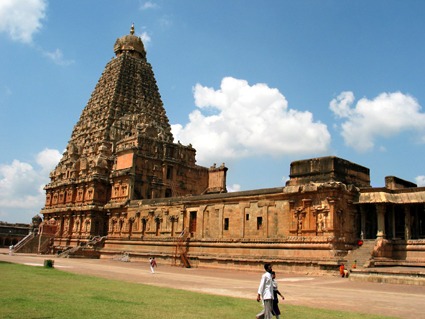
Brihadeeswara Temple, Thanjavur

Brihadishwara-Temple

Shore Temple, Mahabalipuram

Shore-Temple

Lingaraj Temple, Bhubaneswar

Lingaraj-Temple

Kotilingeshwara Temple, Kotilingeshwara

Kotilingeshwara-Temple

Daksheswara Mahadev Temple, Uttarakhand

daksheswara-mahadev-temple
Daksheswara Mahadev Temple is  a beautiful temple of Lord Shiva which is  also known as the Daksha Prajapati Mandir,located in the town of Kankhal in Uttarakhand.

Annamalaiyar Temple, Tamil Nadu

Arunchaleshvara-Temple

Taraknath Temple, West Bengal

Taraknath Temple is the most important pilgrimage center in the town of Tarakeswar West Bengal, The Hindu god Lord Shiva worshiped as Taraknath. Taraknath Temple is one of the Oldest Temples in India.

Murudeshwara Temple, Murudeshwara

Shiva-at-Murudeshwar

Vadakkunnathan Temple, Kerala

Vadakkunnathan-Temple

Bhavnath Mahadev Temple, Gujarat

Bhavnath_Mahadev-Temple
The Bhavnath Mahadev temple is located near the Girnar mountain range in the Junagadh district of Gujarat. The Shiva linga here is said to have emerged of its own.

Srikalahasti Temple, Andhra Pradesh

Kalahasti-temple

Kandariya Mahadeva Temple, Khajuraho

kandariya-mahadeva-temple

Pashupatinath Temple, Mandsaur

Pashupatinath Temple of Mandsaur is a famous Hindu temple of Lord Pashupatinath and the only shrine of Pashupatinath in India, Situated on the banks of the Shivna River in the city of Mandsaur in Madhya Pradesh.

Tungnath Temple, Uttarakhand

Tungnath-Temple

Natarajar Temple, Tamil Nadu

Natraja_Temple

Kirateshwar Mahadev Temple, Sikkim

Kirateshwar Mahadev Temple is located at Legship on the banks of beautiful Rangit river. It is an important site for Hindu pilgrims and a must visit religious place for every tourist in West Sikkim.

Jambukeswarar Temple

Jambukeswarar_Temple

Sukreswar Temple, Assam

The Sukreswar Temple is an important Shiva temple in Assam state,located on the Itakhuli hill on the south bank of mighty river Brahmaputra. It is one of the ancient temple and is the most popular Shiv temple in Guwahati.

Bhojpur Shiva Temple, Bhopal

Bhojpur-Bhopal
Bhojpur Temple in located near the capital city of Bhopal on the bank of Betwa river in Raisen District. The Bhojesvar  temple dedicated to great God Lord Shiva houses the largest Shiva Lingam in India.

Amarnath Temple

amarnath-cave-temple

Kailashnath Temple, Ellora

Kailash-shiva-linga
The Kailasa Temple of Ellora is the largest rock-cut ancient Hindu temples dedicated to Lord Shiva in Ellora, Maharashtra, The temple is one of the 34 rock cut temples of Ellora Caves. Other popular temples of Lord Shiva are:

Friday, October 14, 2016

INDIA के इस रहस्यमयी मंदिर ने उड़ाई दुनियाभर के वैज्ञानिकों की 'नींद


INDIA के इस रहस्यमयी मंदिर ने उड़ाई दुनियाभर के वैज्ञानिकों की 'नींद'

LIVE INDIA: UTTARAKHAND में मौजूद माता के इस मंदिर के रहस्य ने दुनियाभर के वैज्ञानिकों की नींद उड़ा रखी है। अल्मोड़ा जिले में स्थित कसारदेवी मंदिर की 'असीम' शक्ति से नासा के वैज्ञानिक भी हैरान हैं।
 नासा के वैज्ञानिक चुम्बकीय रूप से इस जगह के चार्ज होने के कारणों और प्रभावों पर शोध कर रहे हैं। पर्यावरणविद डॉक्टर अजय रावत ने भी लंबे समय तक इस पर शोध किया है। उन्होंने बताया कि कसारदेवी मंदिर के आसपास वाला पूरा क्षेत्र वैन एलेन बेल्ट है, जहां धरती के भीतर विशाल भू-चुंबकीय पिंड है। इस पिंड में विद्युतीय चार्ज कणों की परत होती है जिसे रेडिएशन भी कह सकते हैं।
पिछले दो साल से नासा के वैज्ञानिक इस बेल्ट के बनने के कारणों को जानने में जुटे हैं। इस वैज्ञानिक अध्ययन में यह भी पता लगाया जा रहा है कि मानव मस्तिष्क या प्रकृति पर इस चुंबकीय पिंड का क्या असर पड़ता है। अब तक हुए इस अध्ययन में पाया गया है कि अल्मोड़ा स्थित कसारदेवी मंदिर और दक्षिण अमेरिका के पेरू स्थित माचू-पिच्चू व इंग्लैंड के स्टोन हेंग में अद्भुत समानताएं हैं। इन तीनों जगहों पर चुंबकीय शक्ति का विशेष पुंज है। डॉ. रावत ने भी अपने शोध में इन तीनों स्थलों को चुंबकीय रूप से चार्ज पाया है। उन्होंने बताया कि कसारदेवी मंदिर के आसपास भी इस तरह की शक्ति निहित है।
 स्वामी विवेकानंद को यहां हुई थी विशेष ज्ञान की अनुभूति
स्वामी विवेकानंद ने 1890 में ध्यान के लिए कुछ महीनों के लिए आए थे। बताया जाता है कि अल्मोड़ा से करीब 22 किमी दूर काकड़ीघाट में उन्हें विशेष ज्ञान की अनुभूति हुई थी। इसी तरह बौद्ध गुरु लामा अंगरिका गोविंदा ने गुफा में रहकर विशेष साधना की थी। हर साल इंग्लैंड से और अन्य देशों से अब भी शांति प्राप्ति के लिए सैलानी यहां आकर कुछ माह तक ठहरते हैं।

Saturday, September 10, 2016

Onam

Onam (Malayalam: ഓണം) is the biggest festival celebrated in Kerala, India.It is also the State festival of Kerala with State holidays on 4 days starting from Onam Eve (Uthradom) to the 3rd Onam Day.
The festival falls during the Malayalam month of Chingam (Aug - Sep) and marks the commemoration of home-coming of the mythical King Mahabali. In Kerala, it is the festival celebrated with most number of cultural elements such as Vallam Kali, Pulikali, Pookkalam, Onathappan, Tug of War, Thumbi Thullal, Kummati kali, Onathallu, Onavillu, Kazhchakkula, Onapottan.Atthachamayam etc. Onam is reminiscent of Kerala's agrarian past, as it is considered to be a harvest festival.
onam is an ancient festival which still survives in modern times. It's one of the rarest festival which is celebrated by a complete state, irrespective of religion, caste and creed.Kerala's rice harvest festival and the Festival of Rain Flowers, which fall on the month of Chingam, celebrates the Asura King Mahabali's annual visit from Patala Loka . Onam is unique since Mahabali (locally known as Maveli) has been revered by the people of Kerala. The King is so much attached to his kingdom that it is believed that he comes annually from the nether world to see his people living happily. It is in honour of King Mahabali that Onam is celebrated. The deity Vamana, also called Thrikkakarappan[4][5] is also revered during this time by installing a clay figure next to the floral carpet (Pookalam). The birthday of Sri Padmanabhan, the presiding Deity of Thiruvananthapuram, is on the Thiruvonam day in the month of Chingam. Thiruonam day is the most important day of Onam. In Onam 2016, Thiruvonam date is 14 September.
Mahabali's rule is considered the golden era of Kerala, ancient Bharata. The following song is often sung over Onam:
... (Translation)
Onam mythology may have been devised as a political allegory/tool where by the subjects could remind the rulers about an Ideal King and a welfare state. Onam songs mentions many of the modern social/economic indicators of a Welfare State including Crime rates, Child Mortality rates etc. Rulers may also have promoted it as it may have served as an indicator/barometer of the popularity/unpopularity of their Governance policies. The beauty of the festival lies in its secular fabric. People of all religions, castes and communities celebrate the festival with equal joy and verve. Onam also helps to create an atmosphere of peace and brotherhood by way of various team sports organised on the day.
The celebrations of Onam start on Atham day, 10 days before Thiruvonam. The 10 days are part of the traditional Onam celebrations and each day has its own importance in various rituals and traditions.
Onapottan in traditional costume is a custom in northern parts of Kerala. Onapottan visits houses during the onam and gives blessings.[3] Of late Onapottan has become a rare sight, confined to villages.
1. Atham The first day of Onam celebrations starts with Atham day in the Malayalam month of Chingam. It is believed that King Mahabali starts his preparations to descend from Pathala (netherworld) to Kerala on this day. The day also marks the start of festivities at Thrikkakara temple, which is considered as the focal center of Onam and the abode of Mahabali, with the raising of the festival flag.[9] The Onam celebrations across the state, starts off with a grand procession at Thrippunithura near Kochi called Atthachamayam. In olden days, the Kochi Maharaja used to head a grand military procession in full ceremonial robes from his palace to the Thrikkakara temple.[10] After independence, the public took over the function and celebrated as a major cultural procession which kicks off the official celebrations of Onam. Elephant processions, folk art presentations, music and dancing make Athachamyam a spectacular event which is now aggressively promoted as a tourist event.
The traditional ritual of laying pookkalam (floral carpet) starts on Atham day. The pookkalam on this day is called Athapoo, and it is relatively small in size. The size of the pookkalam grows in size progressively with each day of the Onam festival. Only yellow flowers will be used on Atham with only one circular layer made and the design is kept simple. Statues or figurines of Mahabali and Vamana are also installed at the entrance of each house on this day.
2. Chithira The pookkalam design on the second day consists of a second layer added on top with 2 different colours apart from yellow (mostly orange and creamy yellow). On this day, people start cleaning the household to prepare for the Thiruvonam day.
3.Chodhi On the third day of Onam celebrations, the pookalam starts growing in its size by adding new layers or designs with at least 4 to 5 different flowers. The day also marks the start of shopping activities. Onam is associated with gifting new clothes, hence from this day onwards people start buying new clothes and jewellery.
4.Vishakam The fourth day of Onam celebrations. Vishakam is considered to be one of the most auspicious days of Onam. In olden days, the markets open their harvest sale on this day, making one of the busiest days in the markets for public. Nowadays, Vishakam marks the start of many Onam-related competitions such as Pookkalam competition.
5.Anizham The fifth day of Onam celebrations is one of the most important days in the Onam celebration, as it kicks off the great Vallamkali (Snake boat race) in many parts of Kerala. The snake boats are prepared for participation in the boat race at Aranmula Uthrattathi Vallamkali. A mock Vallamkali is conducted on this day at Aranmula as a dress-rehearsal for the final boat race which will be held after Onam.
6.Thriketa The sixth day of Onam celebrations. By the sixth day, the public frenzy starts building up. Most of the schools and public offices are granted holiday from this day onwards and people start packing their bags to their native homes to celebrate the festival with their dear ones. The pookkalam design will be very large by this time, with at least 5 to 6 new flowers types added to the original designs.
7.Moolam The seventh day of Onam celebrations. On this day, the smaller versions of traditional Ona Sadya (Onam lunch feast) start in many places. Most of the temples offer special sadyas on from this day. Festivities include Puli Kali (masked leopard dance) and traditional dance forms like Kaikotti Kali which are performed in various functions. The official Government celebrations start on this day with heavy illuminations in Thiruvananthapuram, Kochi and Kozhikode along with fireworks.
8.Pooradam The eight day of Onam celebrations. The day starts off with a major traditional ritual where the small statues of Mahabali and Vamana will be washed and cleaned and taken around the house in a procession. It will be later installed in the center of the pookkalam smeared with a rice-flour batter. The smearing is done by small children who are called Poorada unnikal. From this day onwards, the statue will be called Onathappan (Lord of Onam). The pookkalam design from Pooradam day onwards gets much bigger and complex in design. Shopping is one of the major activities as the public will be making final purchases for the great Thiruvonam day.
9.Uthradom The ninth day of Onam Celebrations. Uthradom is the ninth and the penultimate day of the festival of Onam. It is considered as Onam eve and celebrated in a very big way. The importance of this day is last minute extreme shopping frenzy called as Uthradappachil and is considered the most auspicious day for purchase of fresh vegetables and fruits along with other provisions from the Thiruvonam day.[11]
Uthradam is known as 'First Onam' because it marks the day when King Mahabali descends onto Kerala. Traditional myths say that the king will spend the next four days touring his erstwhile kingdom and blessing the subjects. Due to this, Uthradom is celebrated in a very pompous manner with larger pookkalams and celebrations in all households. The Uthradom lunch is generally grand. Women normally cut the first set of vegetables on this day that marks the celebrations of Thiruvonam in each household and preparations for grand Thiruvonam feast also start during the evening of Uthradom day.
10.Thiruvonam The tenth and final day of Onam celebrations that culminates the 10 days of Onam Carnival. The day is known as Thiru-Onam (Sacred Onam Day) also known as 'Second Onam'. Myth says that this was the day Mahabali was sent to the netherworld ( Pathalam) by Vamana. The day marks the return of Mahabali to his fabled land (Kerala), as per the boon he received from Vamana to meet his subjects and bless them. Apart from this myth, this day is considered auspicious being birthdays of several temple deities representing Vishnu, like Vamana of Thrikkakara temple, Sree Padmanabha Swamy of Thiruvananthapuram etc.
Activities begin early in the morning. People clean their house, apply rice flour batter on the main entrance (a traditional welcome sign), take an early bath, wear new clothes and distribute alms to needy. The eldest female member of each family presents clothes to all the members of the family. Special prayers and Masses are organized in temples, churches and mosques that highlight the secular nature of festival. The pookkalam is prepared to welcome Mahabali.
Most cities in Kerala, such as the political, commercial and cultural capitals Thiruvananthapuram, Kochi and Thrissur, are lit up with lights and fabulous displays of fireworks. Sumptuous Onam Sadya feasts are prepared. In Thrikkakara temple, a mega-feast is conducted which is open to the public and is attended by more than twenty thousand people.[12] The afternoon is marked with various traditional Onam games, usually seen in rural areas, and are organized by resident associations and clubs in large cities. In some parts of Kerala, people indulge in various games and dances (Onakkalikal) during and post Thiruvonam. These include Thiruvathirakali, Kummattikali, Pulikali etc.

Normally, the largest chunk of Onam celebrations end by Thiruvonam. However the two days following Thiruvonam are also celebrated as Third and Fourth Onam. The third Onam, called Avvittom marks the preparations for King Mahabali's return ascension to heavens. The main ritual of the day is to take the Onathappan statue which was placed in the middle of every pookkalam during the past 10 days and immerse it in nearby rivers or sea. The pookkalam will be cleaned and removed after this. The day is also important, as the famous Pulikali is held in the city of Thrissur. In this, men dressed as lions, tigers and leopards, parade through the city in large numbers. The Puli-Kali also mark the end of traditional Onam celebrations.
The fourth day of Onam is called as Chatayam. The official government celebrations ends on this day with a mega dance festival in the capital city, Thiruvananthapuram.

Rituals and activities

Children making traditional pookkalam
Onam falls in the month of Chingam, which is the first month according to the Malayalam Calendar. The celebrations begin within a fortnight of the Malayalam New Year and go on for ten days. All over the state of Kerala, festive rituals, traditional cuisine, dance and music mark this harvest festival. The ten-day Onam festival is considered to be flagged off with Atthachamayam (Royal Parade on Atham Day) in Thripunithara (a suburb of Kochi City).[10] The parade is colourful and depicts all the elements of Kerala culture with more than 50 floats and 100 tableaux. The main center of festival is at Vamanamoorthy Thrikkakara temple within Kochi City, believed to be the ancient capital of King Mahabali. The temple is dedicated to Lord Vamana and is directly linked to the mythological background of Onam.
The ten days of Onam are celebrated with great fanfare, by Malayalees. Of all these days, most important ones are the first day, Atham, and the tenth and final day, Thiru-Onam (Thiruvonam). The rich cultural heritage of Kerala comes out in its best form and spirit during the festival.

Pookkalam

An overhead view of a pookalam
The floral carpet, known as ‘Onapookkalam’,[13] is made out of the gathered blossoms with several varieties of flowers of differing tints pinched up into little pieces to serve the decorator's purpose. It is considered a work of art accomplished with a delicate touch and a highly artistic sense of tone and blending. (In a similar manner North Indians make something called "Rangoli" which is made of powders of various colors.) When completed, a miniature pandal, hung with little festoons is erected over it.
Traditionally, Atthapookalams (pookalam made on the Atham day) included flowers endemic to Kerala and the Dashapushpam (10-flowers), but nowadays all varieties of flowers are used.[14] Earthen mounds, which look somewhat like square pyramids, representing Mahabali and Vamana are placed in the dung-plastered courtyards in front of the house along with the Pookalam, and beautifully decorated with flowers. In the recent years, the floral designs have evolved from the traditional circular shape to unique designs depicting different cultural and social aspects of Kerala life. All over Kerala, Pookalam competitions are a common sight on Onam day.

People start putting atha-pookalams from Atham ( First day of 10-day festival ) till thiruvonam, while only some put Onam Pookalams till the 28th day after thiruvona thiruvonam.

Traditional dance forms including Thiruvathira, Kummattikali, Pulikali, Thumbi Thullal etc. are performed as part of celebrations all over Kerala at this time. Thiruvathirakali is a women's dance performed in a circle around a lamp, and is given special importance during Onam. Kummattikali is a famous and colorful-mask dance. In Thrissur, festivities includes a procession consisting of caparisoned elephants surrounded by Kummatikali dancers. The masked dancers go from house to house performing the colorful Kummattikali.
Kathakali dance is also commonly performed during this time, with dancers enacting famous mythological legends.[7] A famous venue for this is at Valluvanad which is associated with the growth of Kathakali,[17] and Cheruthuruthy, where Kerala Kalamandalam is located.
Thiruvathira Kali during Onam in Kerala
Pulikali, also known as Kaduvakali is a common sight during Onam season. This dance showcases performers painted like tigers in bright yellow, red and black, who dance to the beats of instruments like Chenda and thakil.
Performances of the ritual worship dance Theyyam are given during the Onam season.[3] In this, Mahabali is played by the Onathar. Its variations include characters such as Oneswaran and Onapottan.
Pulikali (Tiger dance) in Thrissur
At the Thrikkakara temple, every day of the festival showcases one or more of these activities including Kathakali, Thiruvathira, Chakyar koothu, Ottam thullal, Patakam, Onam songs and percussion instrument shows. The Onasadya here is grand in scale, and is attended by over ten thousand people from all religions and faiths.

Boat race

The Vallamkali (the snake boat race) is another event that is synonymous with Onam. Well-known races include the Aranmula Uthrattadhi Boat Race and the Nehru Trophy Boat Race. About 100 oarsmen row huge and graceful snake boats and men and women come from far and near to watch the snake boats skim through the water. As a tribute to the traditional snake boat race, a similar snake boat race is also held by the Malayali diaspora in Singapore annually during Onam at the Jurong Lake.

Other customs

The tradition of buying and wearing new clothes for the occasion of Onam is called the Onakkodi.
During the Onam, Keralite Hindus install an image of Thrikkakara Appan or Onatthappan (Vishnu in the form of Vamana) in their home just as Hindus install images or murtis of Lord Ganesha on the Ganesha Chaturthi festival.
Many lamps are lit in Hindu temples of Kerala during this celebration.[20] A palmyra tree is erected in front of temples and surrounded with a wooden balustrade and covered with dry palmyra leaves.[2 It is lit with a torch and burned to ashes to signify that King Mahabali went to Patala as a sacrifice.[
The swing is another integral part of Onam, especially in the rural areas. Young men and women, decked in their best, sing Onappaatt, or Onam songs, and rock one another on swings slung from high branches.
Onam season is often associated with creativity as weavers and potters go for excess production to cater to increased demands for their products during the season, especially in North Kerala regions of Kannur and Kasargod. Handloom fairs are an integral part of the spirit of Onam festivities these days.
In some parts of Kerala, people indulge in various games and dances during and post-Thiruvonam. These are known as Onakkalikal. These include competitions such as Ox races (Maramadimatsaram), Uriyady, food eating competitions, Pookalam competitions etc.
The Chuttu-Vilakku (surrounding lamps) lit up during Onam at Thrikkakara temple

Celebrations by expatriates

Onam is also celebrated fervently by the huge Malayali diaspora found throughout the world. Celebrations are notable in the United Arab Emirates, Singapore and USA.[19][21][22] In Dubai, a large event conducted by the diaspora consisting of arts performances, sadya and pookalam competitions, is a regular feature.

The legend

See also: Mahabali and Vamana
Mahabali was the grandson of Prahlada (son of Hiranyakashyapa who was slain by Vishnu in his Narasimha Avatara). Prahlada, despite being an Asura, had great faith in Vishnu. Mahabali had become a devotee of Lord Vishnu as a child due to his grandfather Prahlada.[23]

Mahabali conquers the three worlds

Mahabali gradually became a powerful ruler of all the realms - heaven and earth, with the able guidance of his guru Shukracharya. The Devas (gods) saw the rise of the Asura king as a threat.Vishnu and asked for his help, to which Vishnu agreed.
Envious of Mahabali's prosperity, the gods approached
A variation of this story says that Vishnu stopped Mahabali as a boon to Aditi, who was the mother of the Devas. Kashyapa had two wives, Diti and Aditi, who were the parents of the demons and the gods (Asuras and Devas) respectively. Kashyapa, who had gone to the Himalayas to do penance, on his return found Aditi weeping for the fall of the Devas and the rise of Asuras. He consoled her, asked her to pray to Vishnu and taught her Payovrata, a ritual that has to be observed from the 12th day of the bright half of Karthika (Sukla-paksha Dvadasi). Since Aditi carried out the Vrata with a pious heart, Vishnu appeared before her and agreed to help Indra, the king of Devas.
Another version of the story says that Mahabali grew pompous, due to the praise and respect by his courtiers and subjects, and came to believe that there was no greater person in the world other than him.[25] Believing himself to be the ruler of the three worlds, he took pride in thinking he could grant anyone whatever they asked. It is said that in order to curb his pride, Vishnu decided to teach Mahabali that the Almighty was still above him.
Eventually, Vishnu was born as a boy to Aditi, and known as the Brahmin Vamana.
In the meantime, Mahabali was performing the sacrificial rite of the Viswajith Yagam or Aswamedha Yagam[9][26] on the banks of the Narmada River in Brugacham, on the advice of his guru Shukracharya. The Vishwajith Yagam would allow Mahabali to secure very powerful weapons against Indra, thus further strengthening the Asura hold over the three worlds. Mahabali also declared that he would give anything that anyone sought from him during this Yagam.
Vamana (blue faced dwarf) in the court of king Bali (Mahabali, right seated) seeking alms.

Vamana visits Mahabali

Taking advantage of the Yagam and Mahabali's declaration, Vamana (Vishnu disguised as a Brahmin) came to the Yaga-shala. Mahabali received the Brahmin boy with all traditional honours and courtesies. Mahabali expressed that it was his good fortune that Vamana had chosen to honour him with his presence. He asked Vamana what gift he desired, and said he was ready to fulfill anything. Vamana smiled and said: "I do not ask for anything great. All I need is land equivalent to three paces of my feet".
On hearing this, Mahabali's perceptive guru, Shukracharya, told Mahabali that the boy was no ordinary Brahmin, but Lord Vishnu Himself. He advised Mahabali not to promise the lad anything. But Mahabali was a king who would never go back on his word, considering it sinful to do so. Shukracharya insisted that he should not fulfill the demand of Vamana as he had come to deprive him of all his possessions.
However, all attempts of Shukracharya to dissuade Mahabali proved futile. Mahabali considered everyone who came to him for help as god himself and never refused them anything. Mahabali told his Guru: "Prana (life) and Maana (honour) are like the two eyes of a person. Even if life goes, honour should be protected. Knowing that the person that has come now is the Lord Himself, I should be the most fortunate one as the Lord, who gives everything to mankind, is seeking something from me." Mahabali gladly said that even if Vishnu himself were to come to his sacrifice and ask for anything, he would deliver it.
Mahabali, determined to honour his promise, begged the pardon of his Guru for disregarding his advice, and resumed his promise to Vamana.

Mahabali's reign ends

Saying so, Mahabali asked Vamana to measure out his desired three paces of land.
Vamana as Tri-vikrama (victor of the three worlds) triumphing over Bali
Vamana grew in size until he towered above the heavens. With one footstep, he measured all of the earth. With the second, he claimed all of heaven. There was still one foot of territory that Mahabali owed him. Mahabali requested Vamana to place the final step on his head as the third step of land, for he had no other left. Vamana did so and in doing so, sent him down to Sutala, the heaven-like underworld. The site where he placed his foot is said to be the village of Thrikkakara (meaning place of the holy foot), and is the centre of the renowned Onam festival celebrated in relation to the legend of King Mahabali.

POSTED BY : VIPUL KOUL 
EDITED BY  : ASHOK KOUL